Sculpting & Casting A Melting Mouse
From miss-take to inspiration
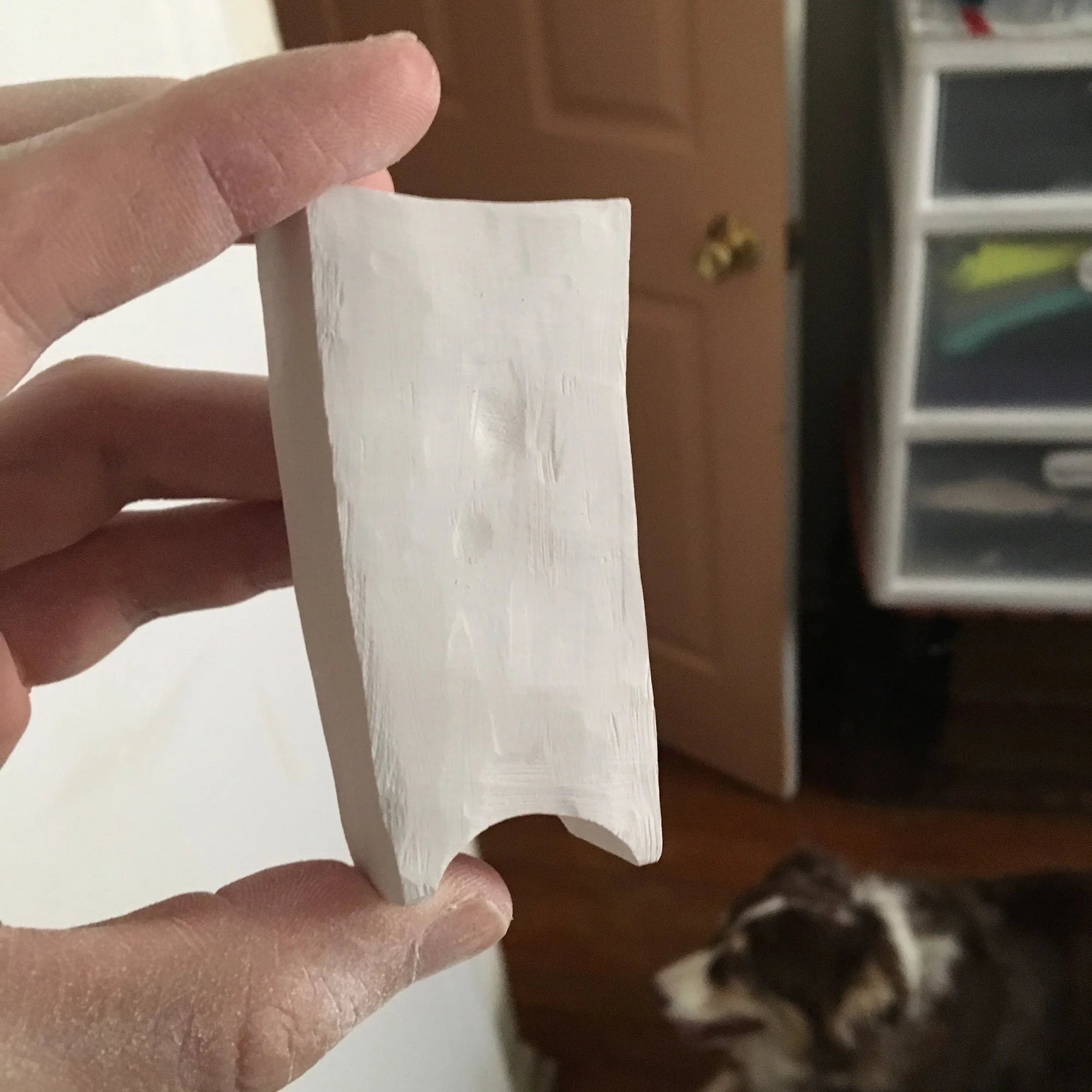
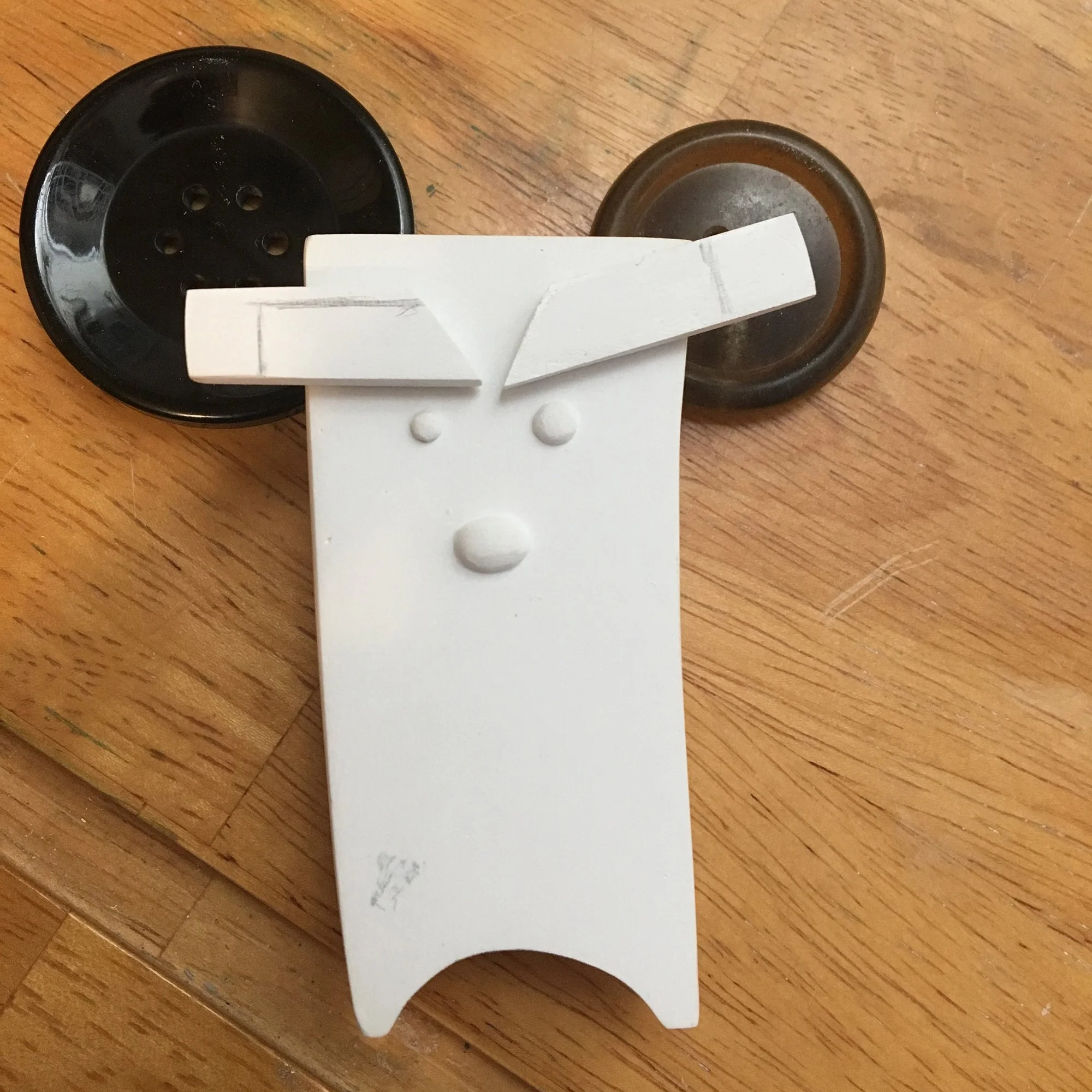
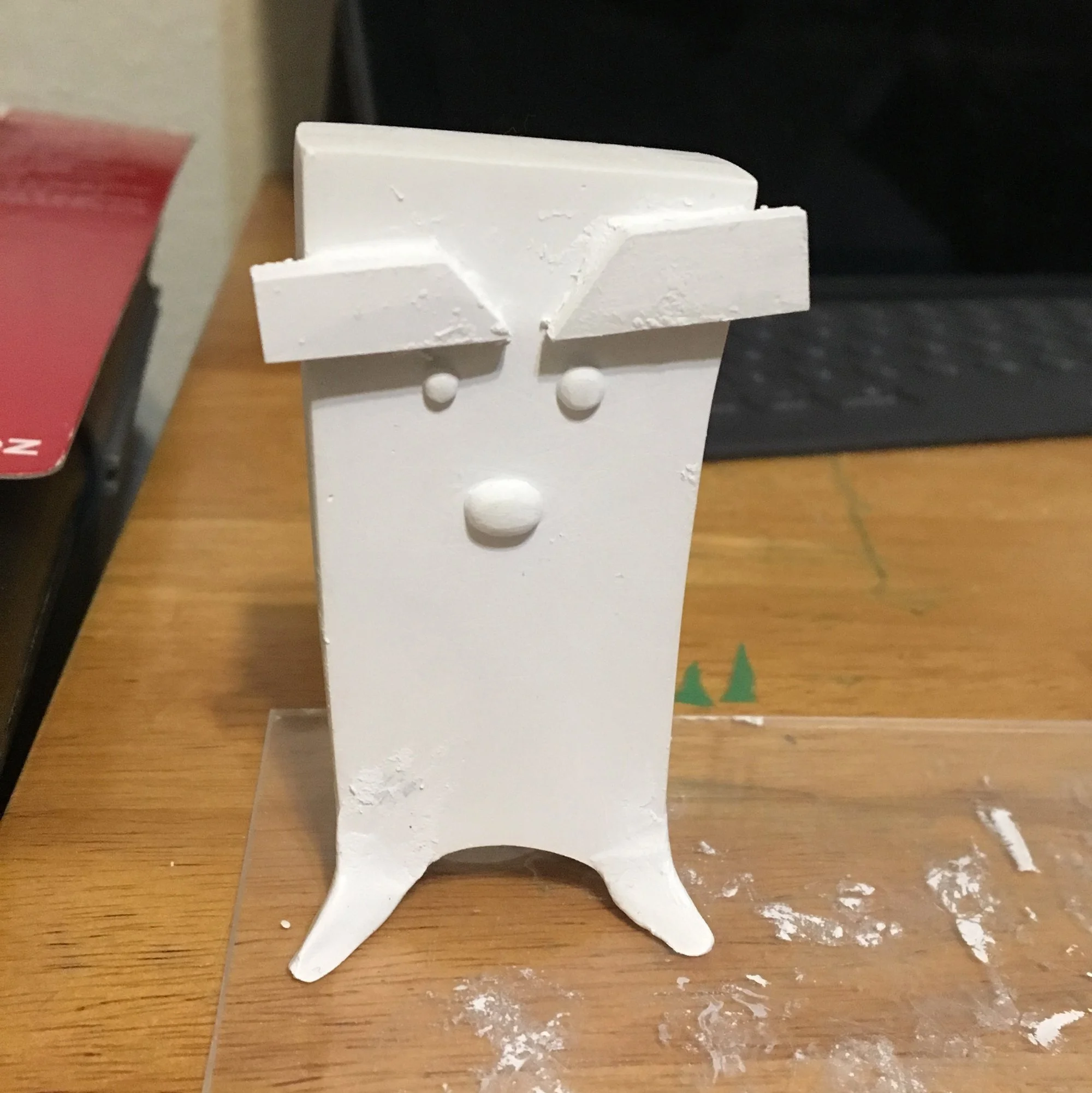
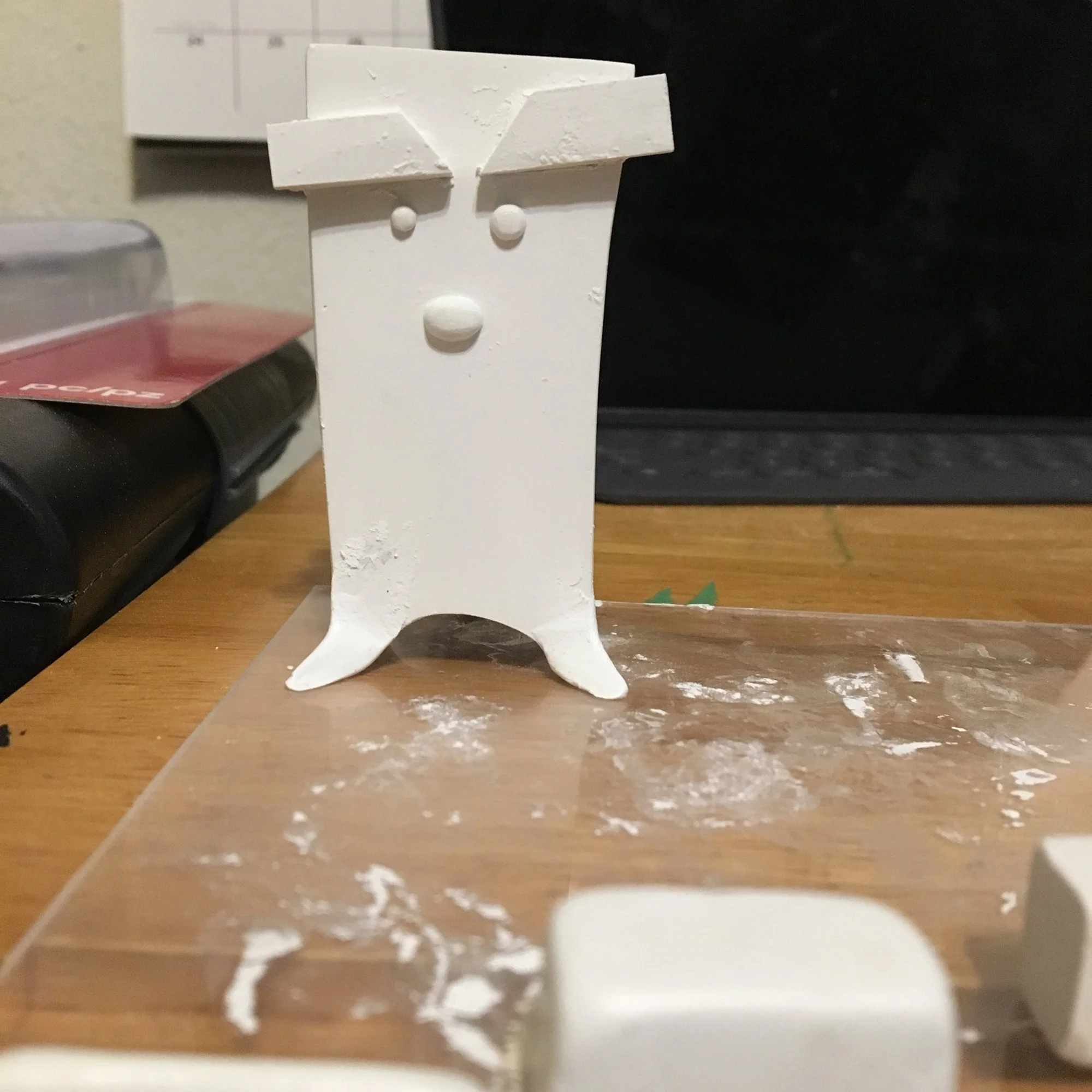
This was one of my first attempts at sculpting and casting with epoxy clay and silicone molds, about six years ago. If I remember right, I was using Magic Sculpt epoxy clay—and I learned pretty quickly to wear gloves while working with it.
The base started as tin foil, built up into form before layering the clay over it. Early on, I experimented with button ears based on the original drawing (which unfortunately didn’t survive over time). Eventually, I shifted to wooden discs—I couldn’t find buttons that felt right in size or character, so I improvised and made my own solution.
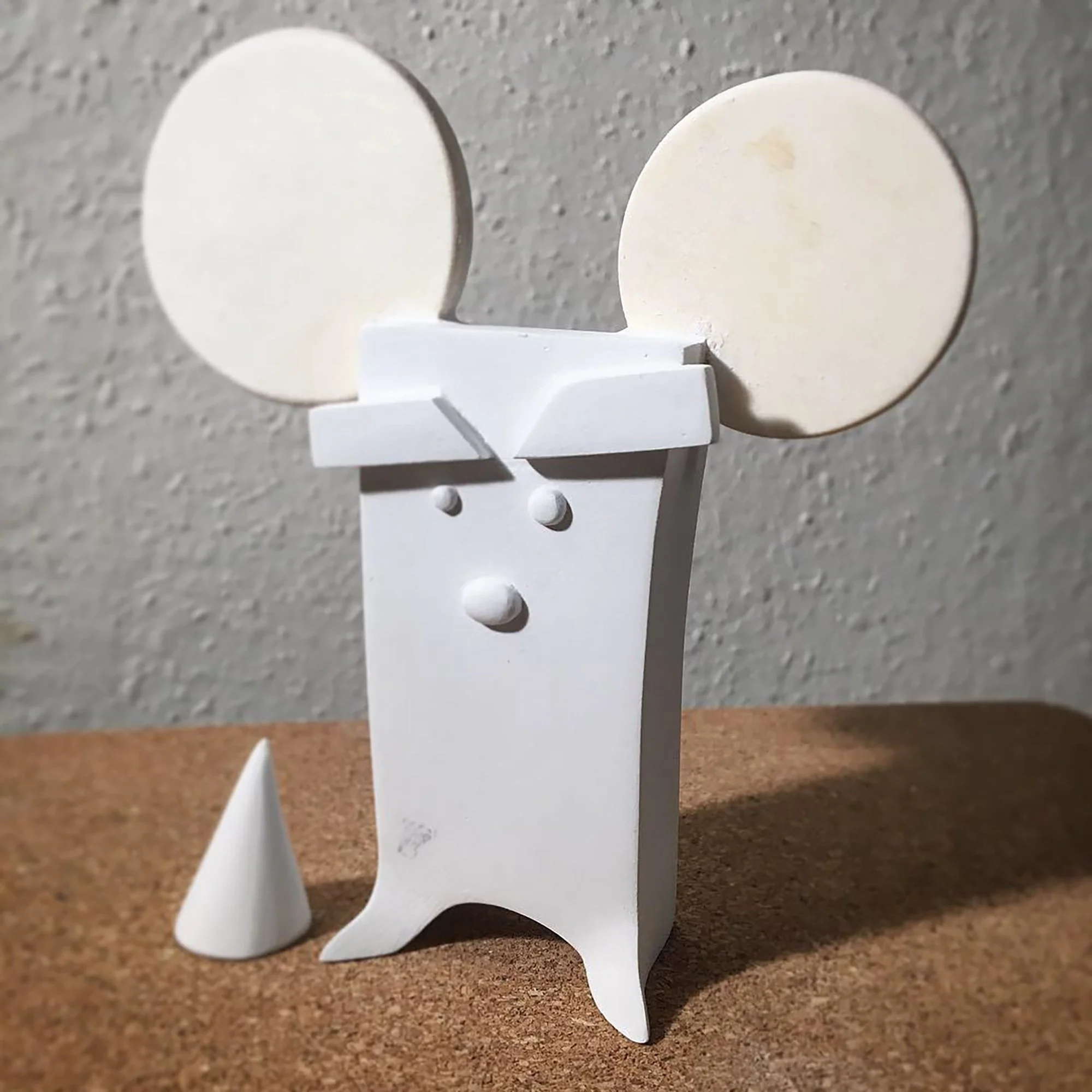
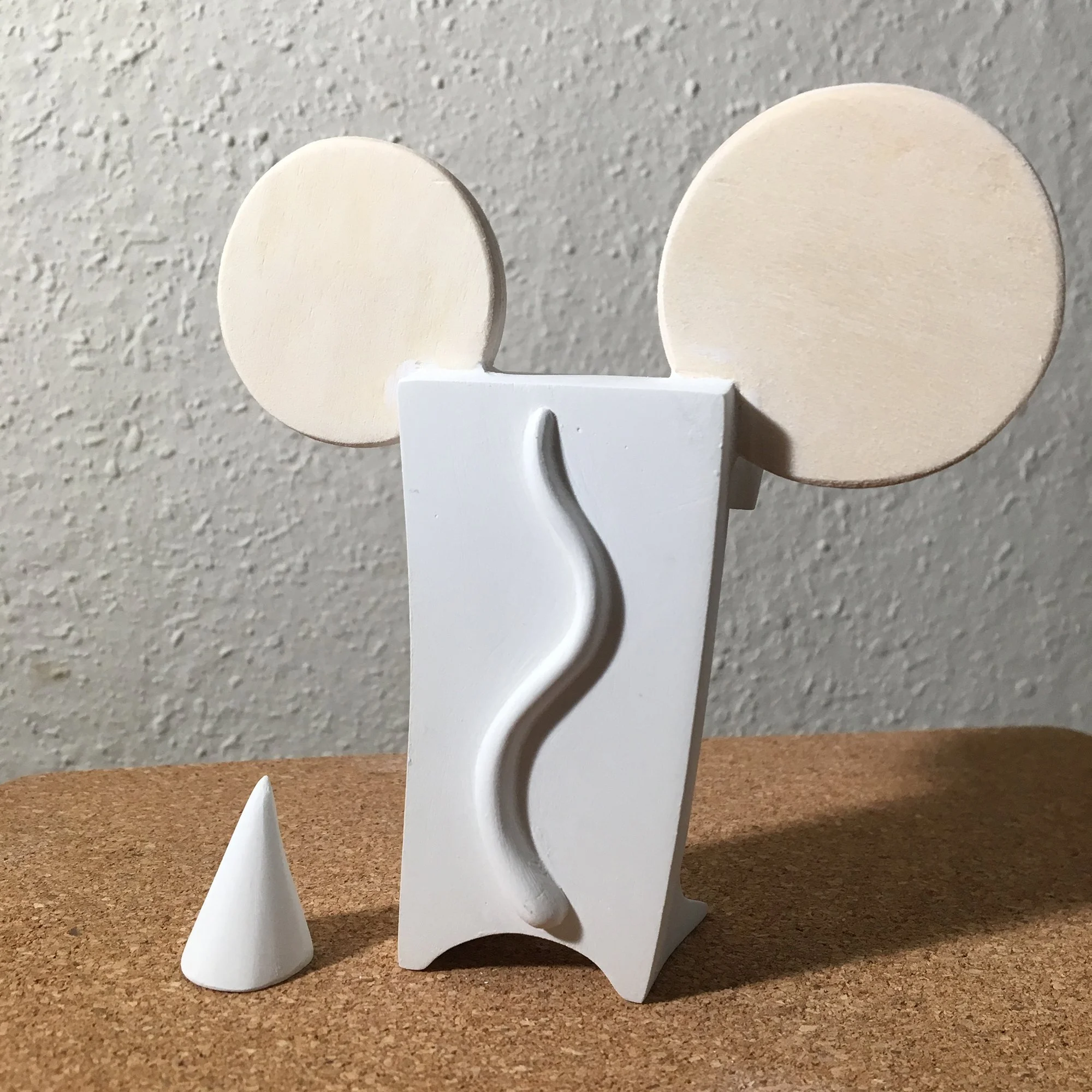
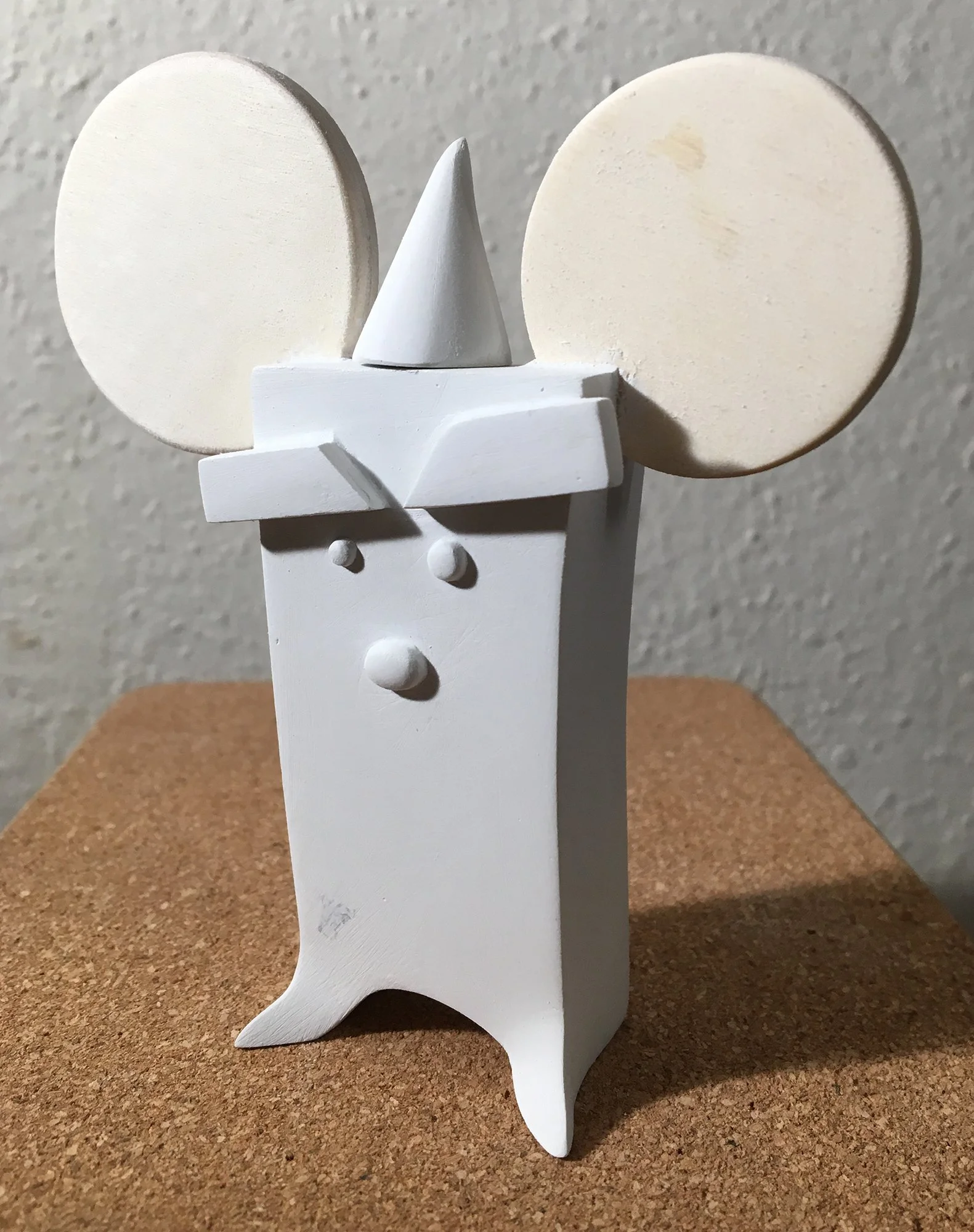
After a lot of sculpting, shaping, cutting, and sanding, it all started to come together. I even made him a little hat—just for fun.
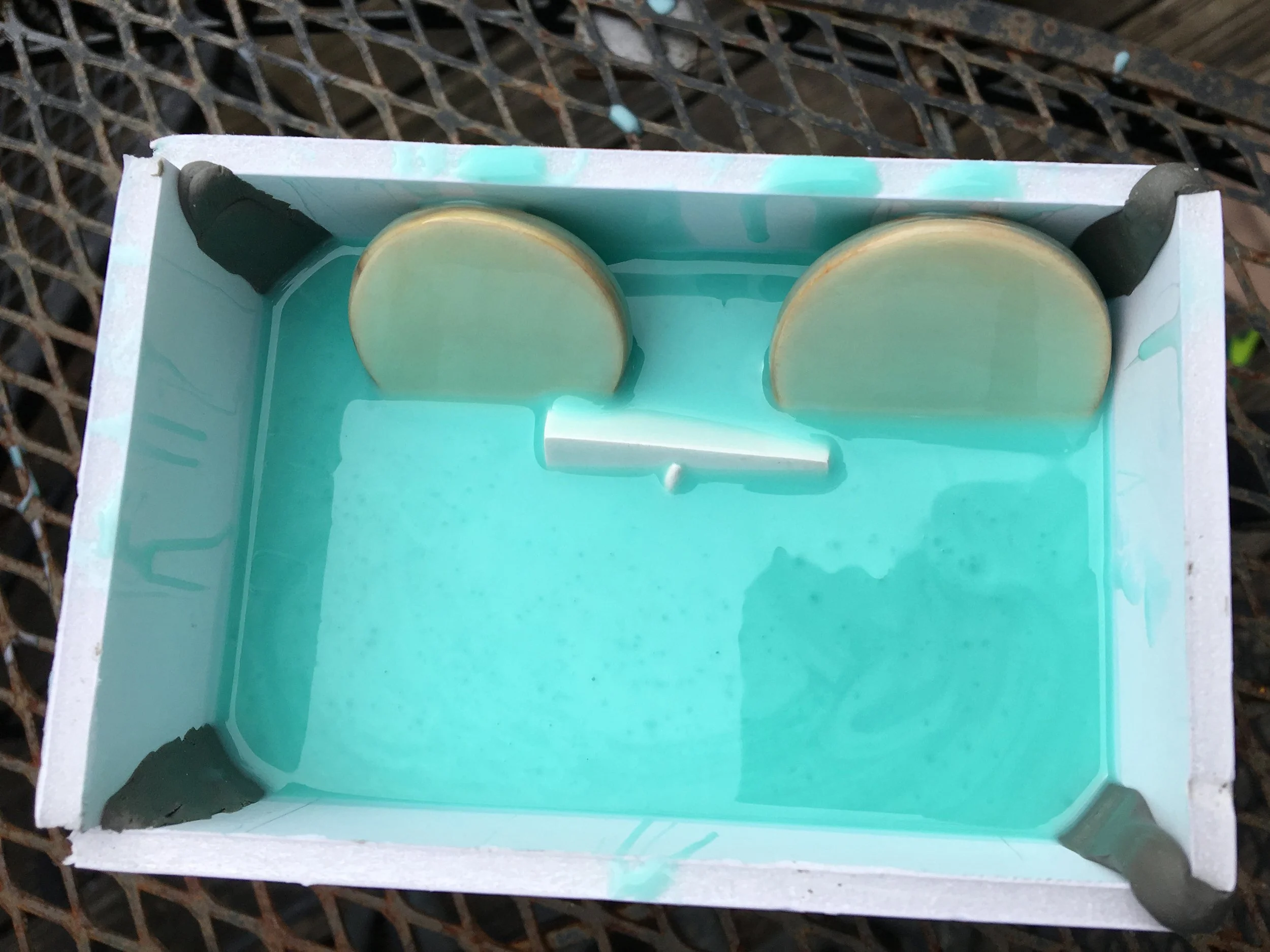
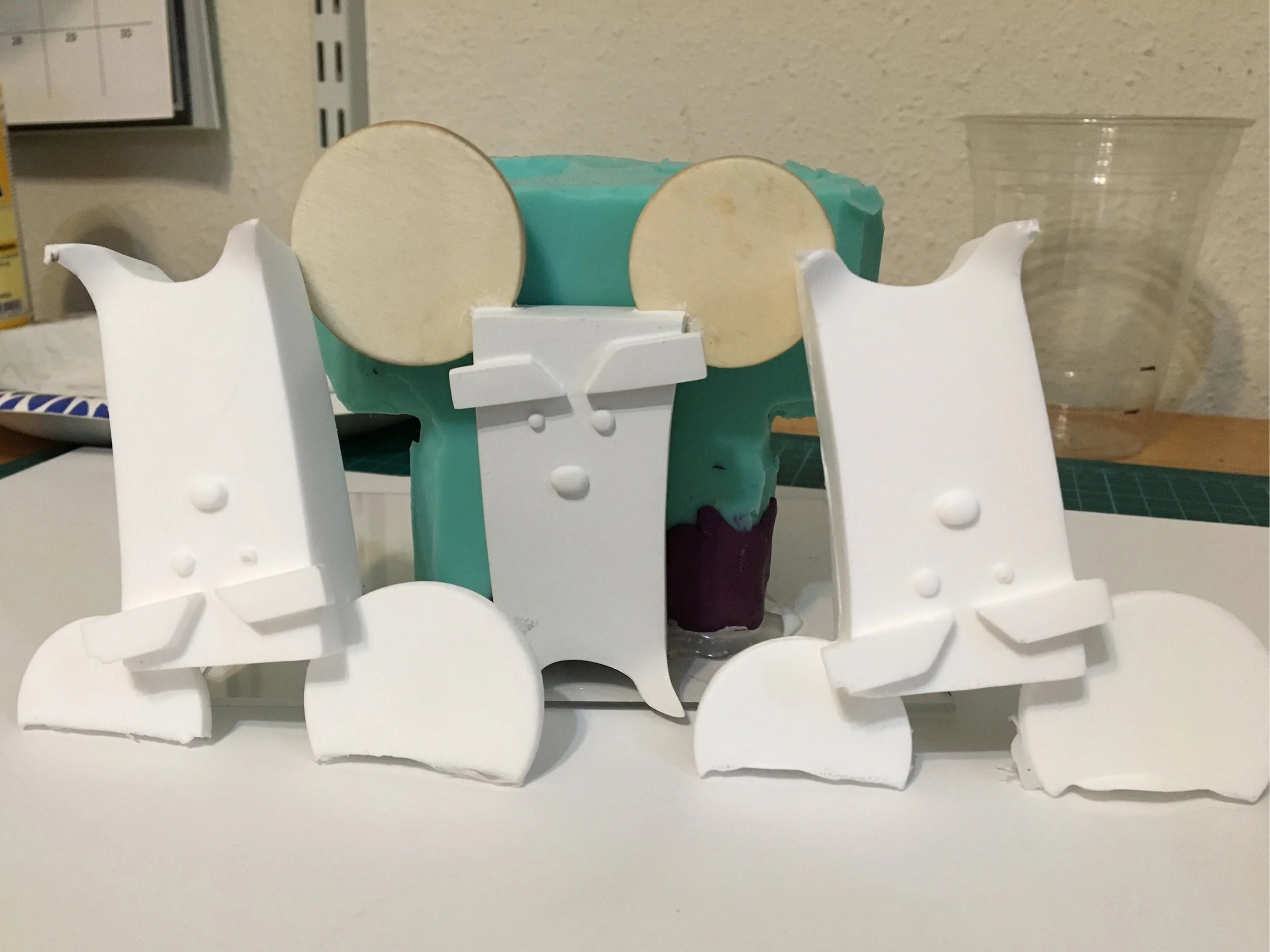
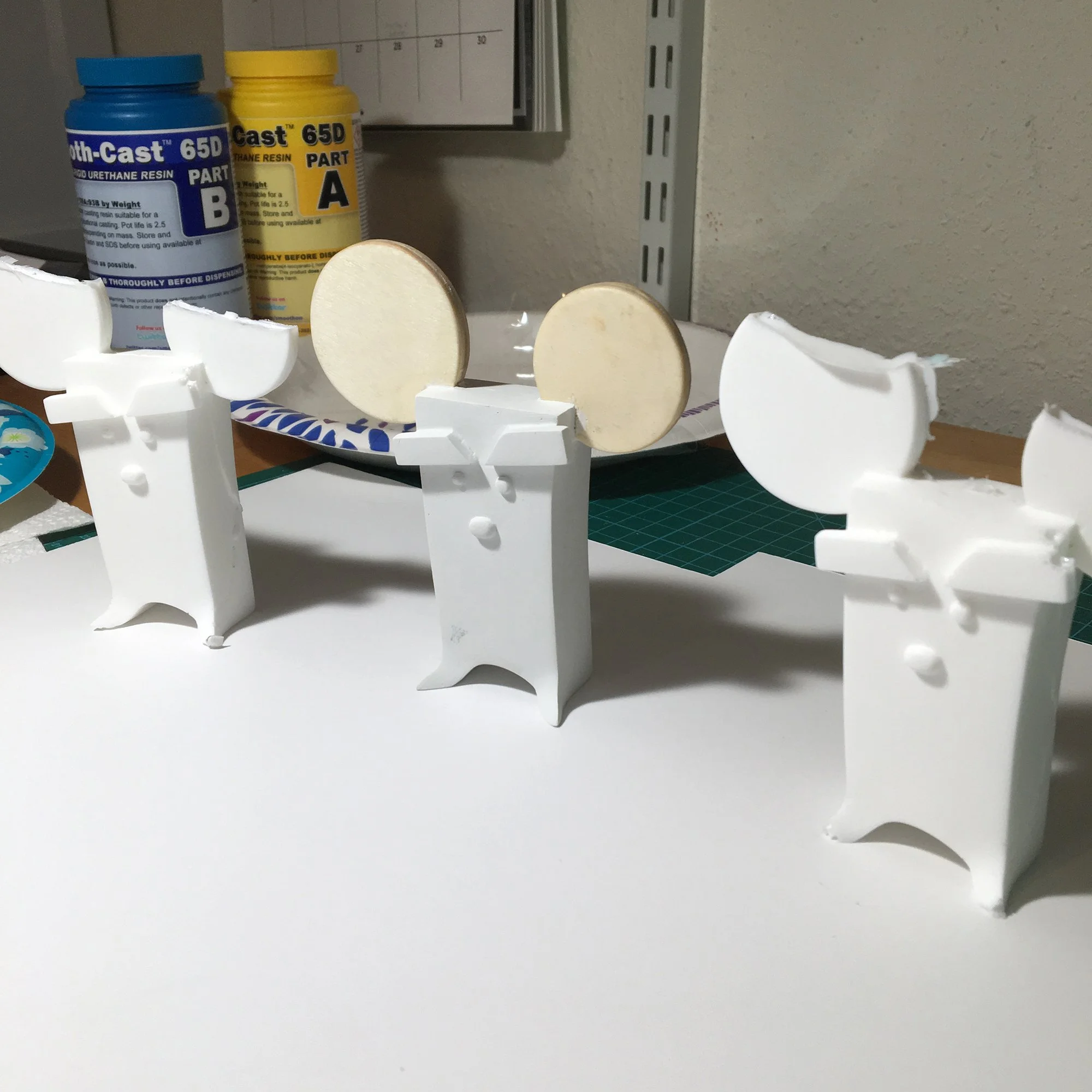
Then came the molding and casting process. I believe I was using Smooth-On for both at the time.
As you can see from the photos, things didn’t exactly go as planned. I had glued the piece down to the base, but once the material was poured, it separated from the hot glue and floated to the top. I tried to catch it—repositioned it back into place and let it cure—but when I came back, it had shifted again on its own.
At that point, it was out of my hands. But luckily, I had an idea of what to do with it.
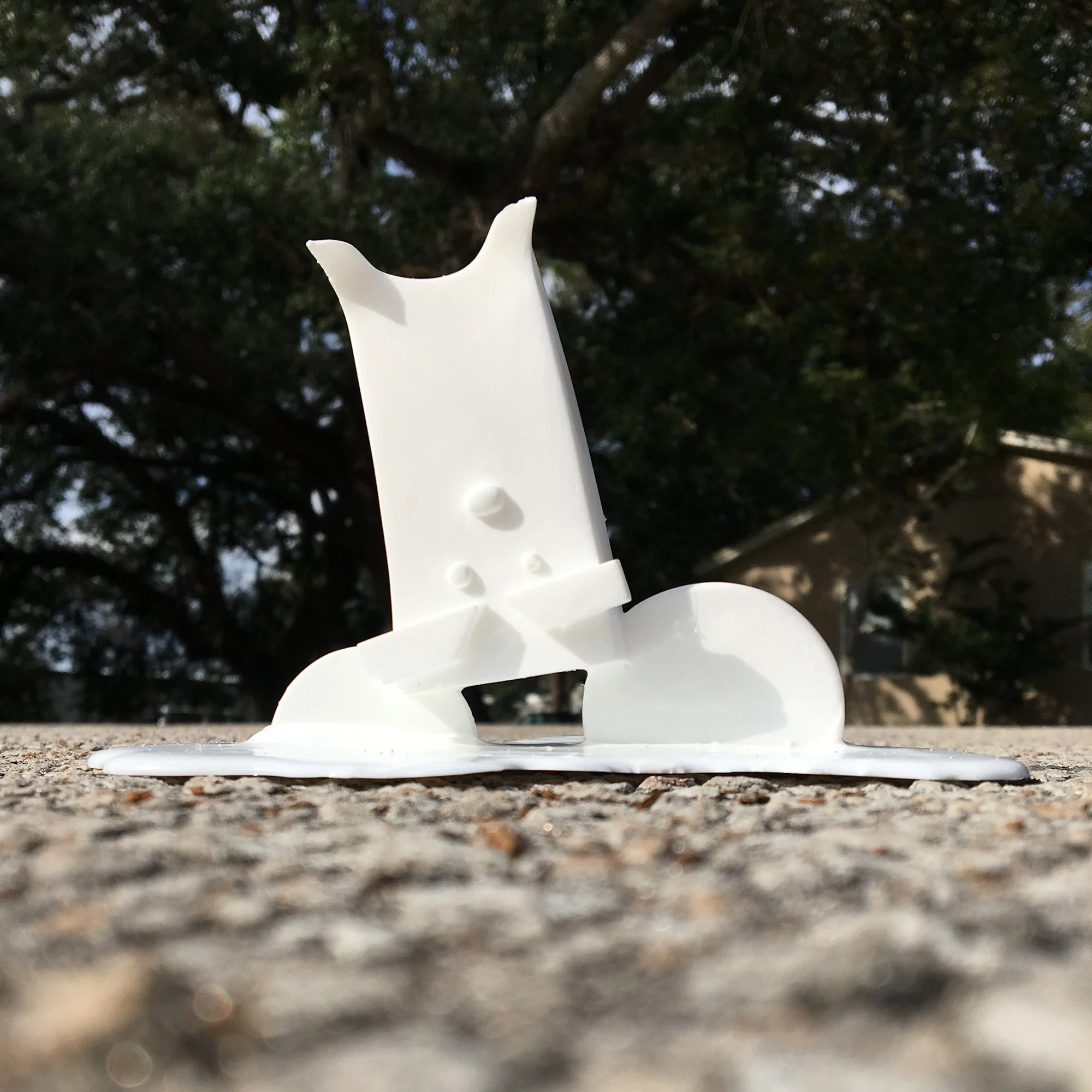
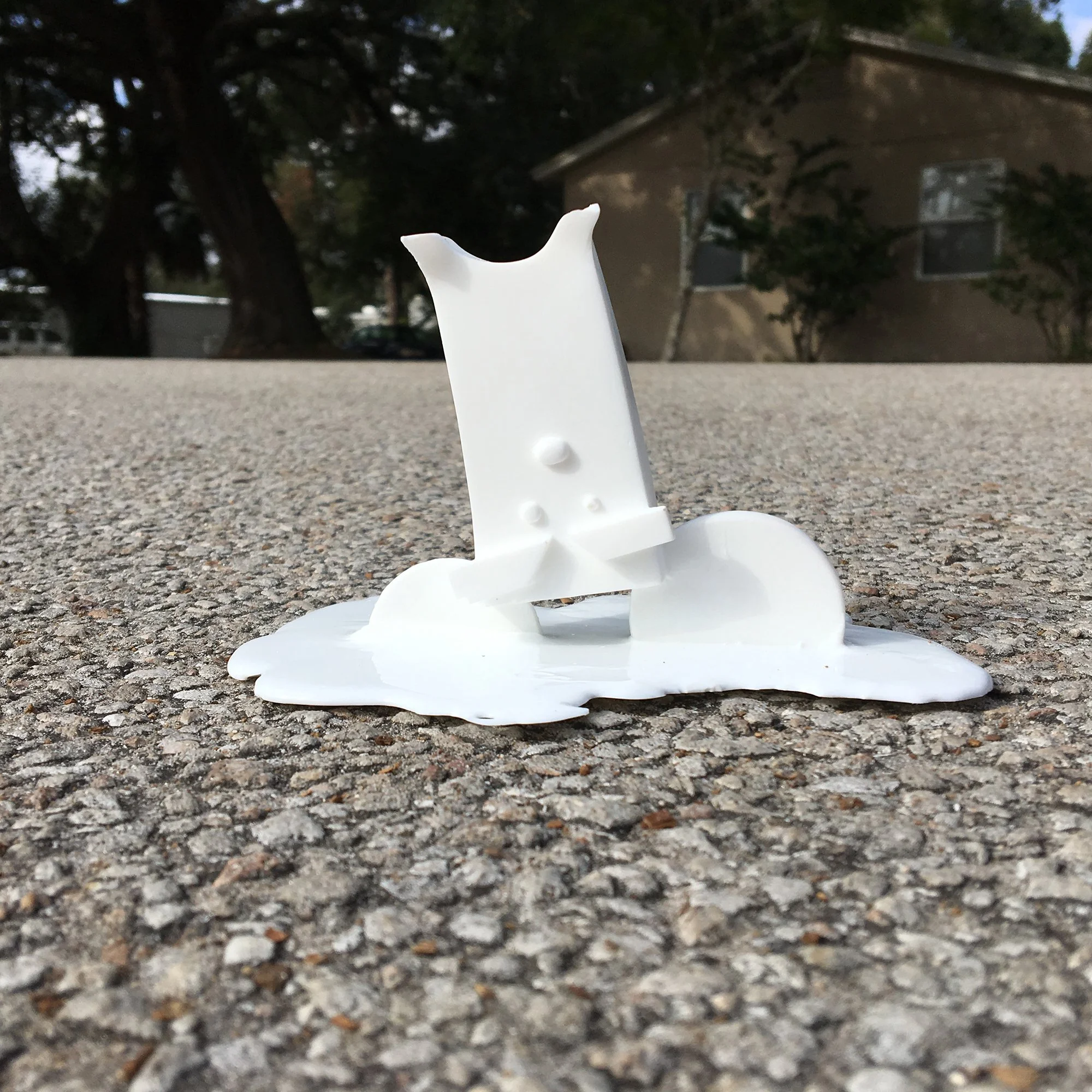
So I leaned into it.
I decided to turn it into a “mouse pop.” I never got around to adding the stick or painting it, but the idea stuck with me. What started as a mistake ended up opening a different direction for the piece.
I still have the original sculpt, and I’ve been thinking about revisiting it—remolding it, using something like Monster Clay, and exploring a few new variations on the original form.
Looking back, this piece feels like an early version of how I still work today.
Nothing really goes exactly as planned—and that’s usually where the better ideas come from. Between the materials, the process, and the small problems along the way, the piece starts to guide itself. My job is mostly to plan for success, pay attention and respond when the situation adjusts.
A lot of what I do comes from that same mindset—working with what’s in front of me, adjusting when things shift, and finding a way to make it work instead of forcing it back into the original idea.
Even now, using reclaimed wood or revisiting older sculpts, it’s the same process. Build, respond, adapt.
That’s where the real piece shows up.