Thatch Patch Booth
From Idea to Build to Execution
Reclaiming the Raw Material
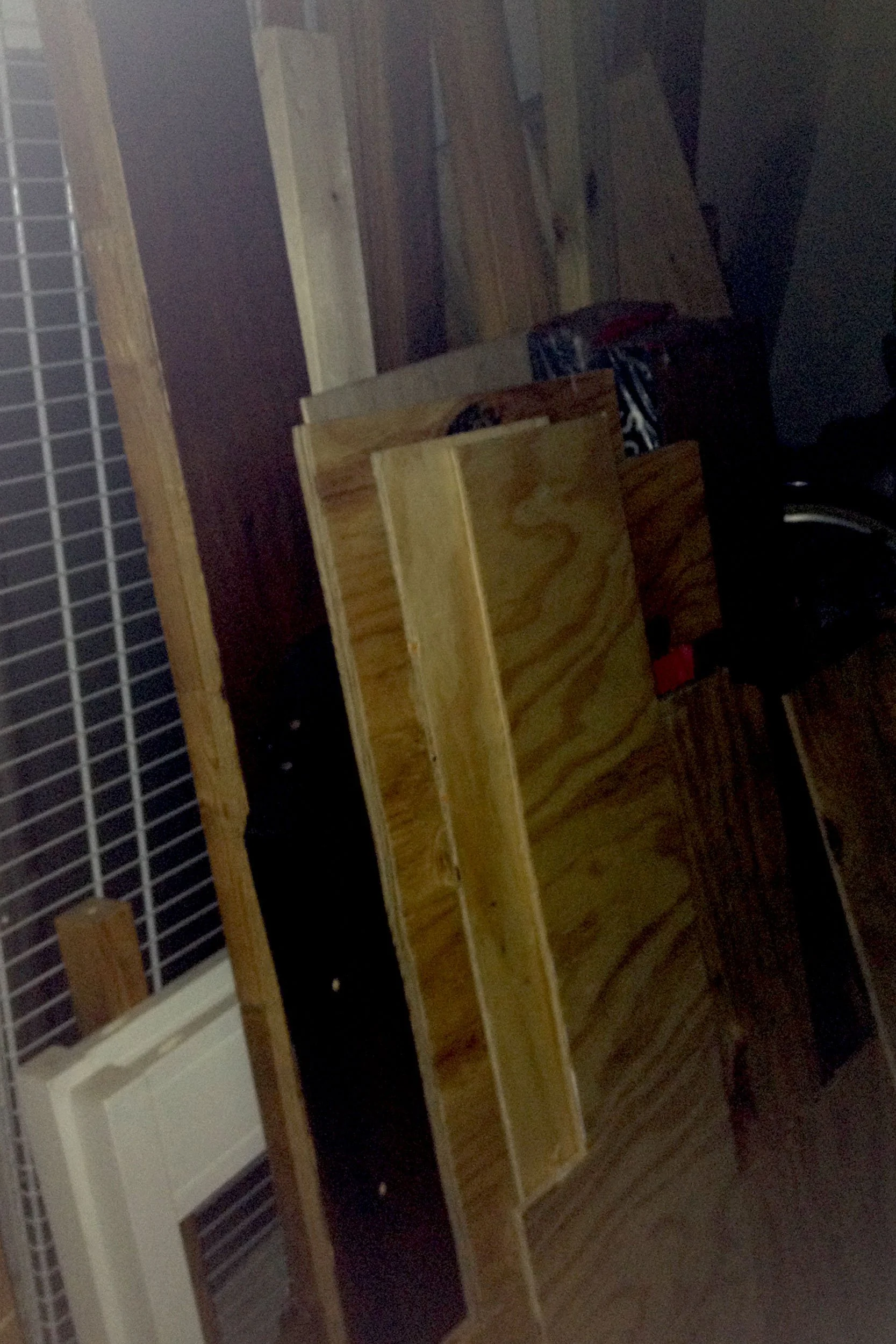
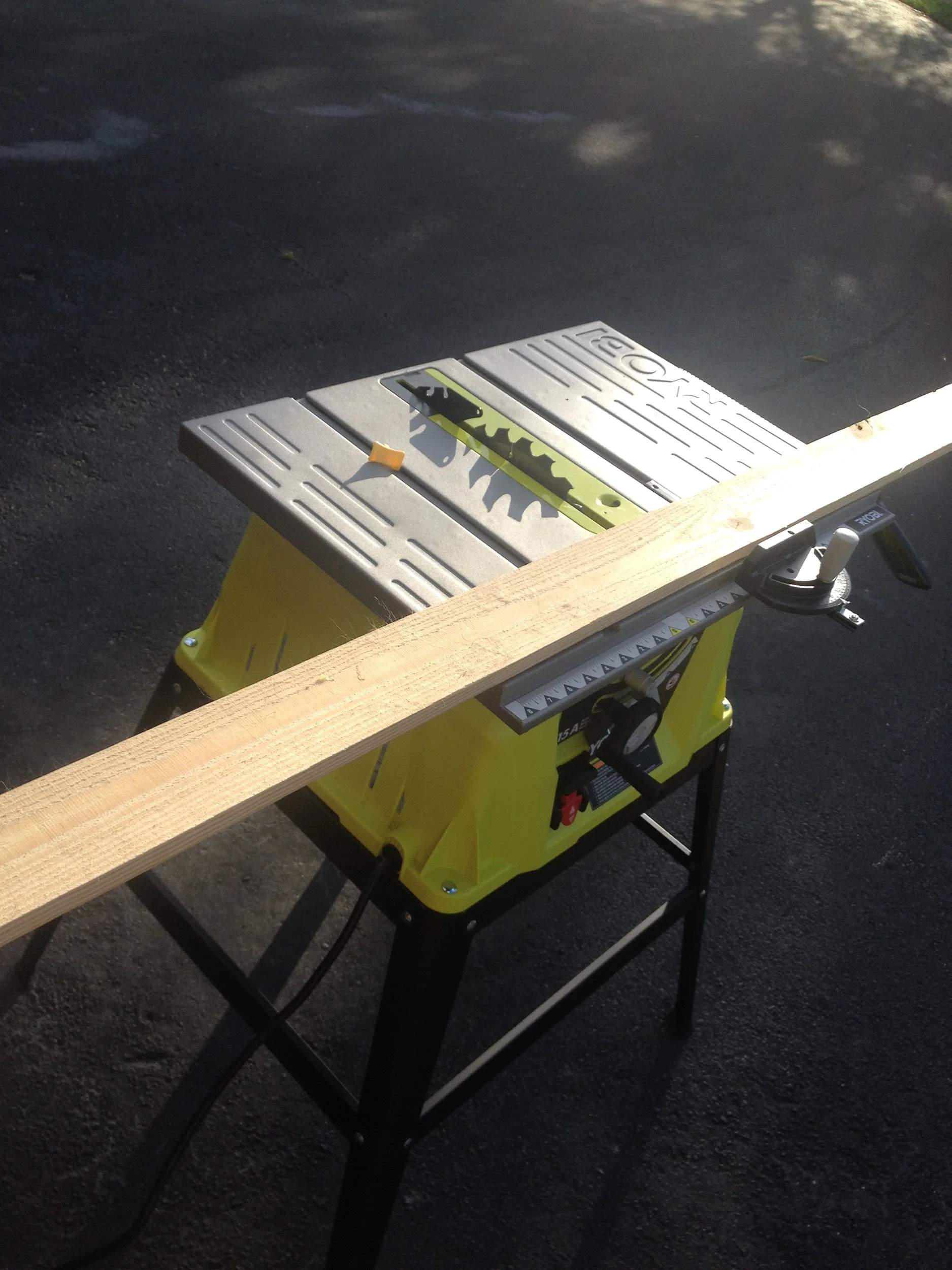
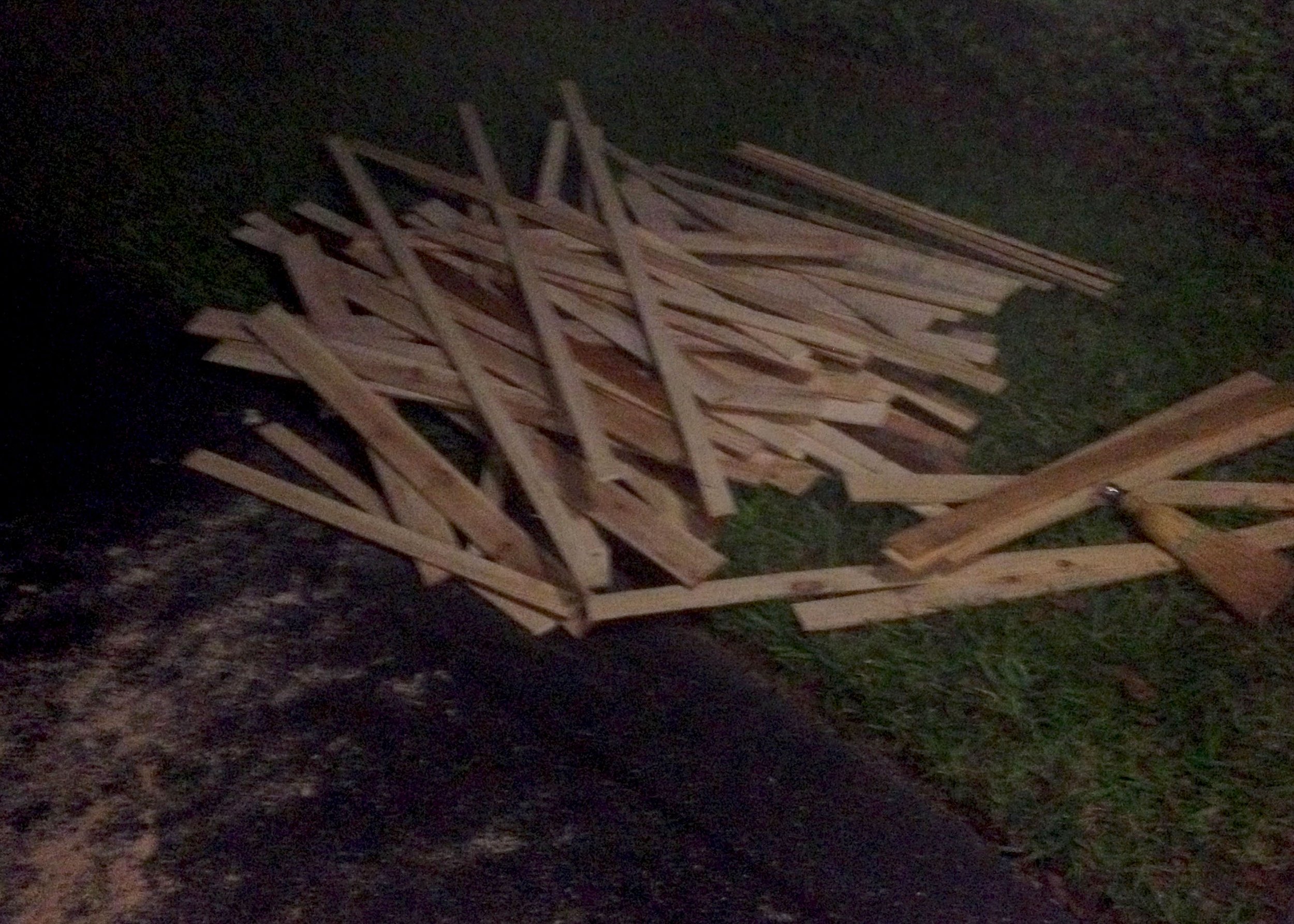
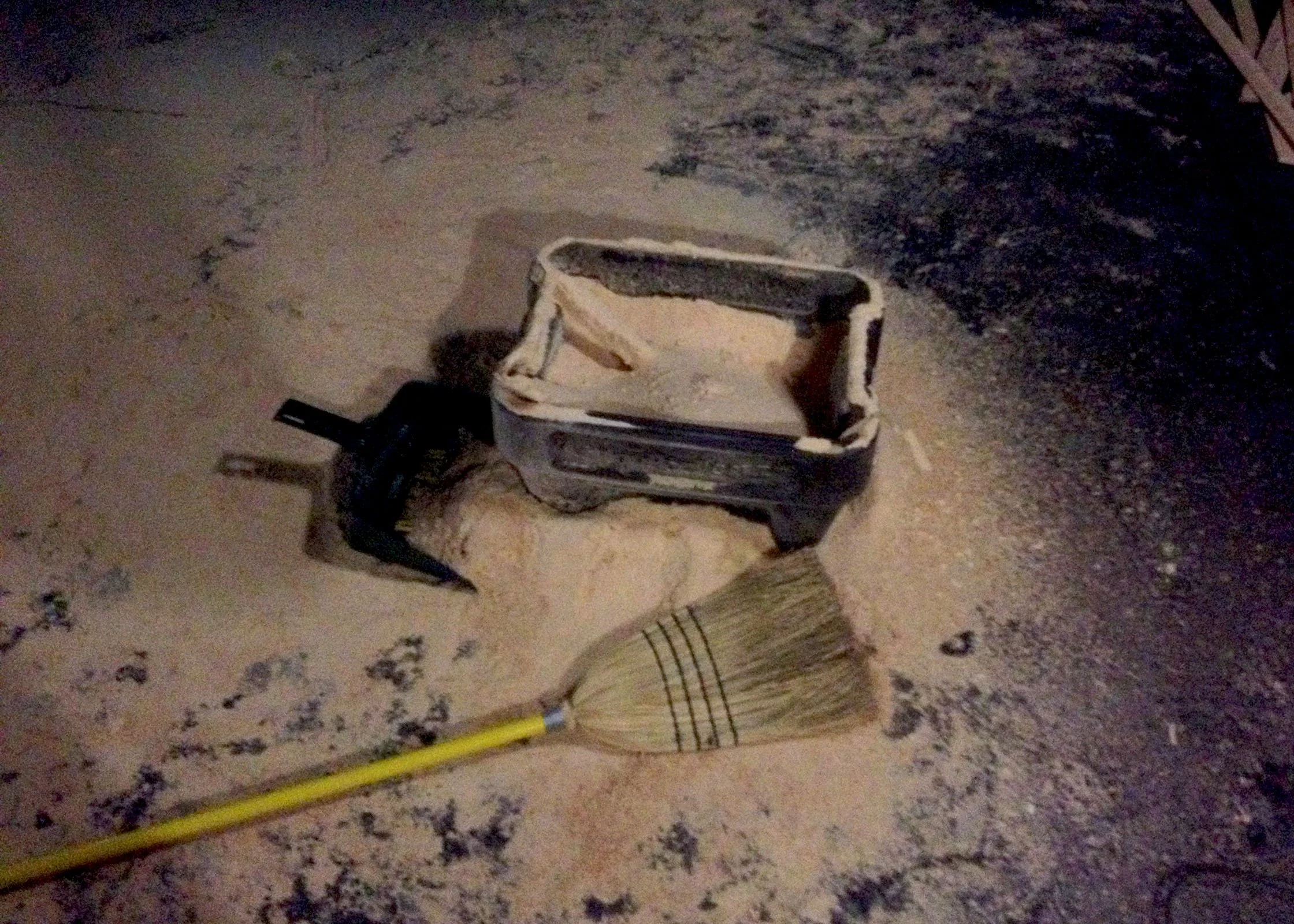
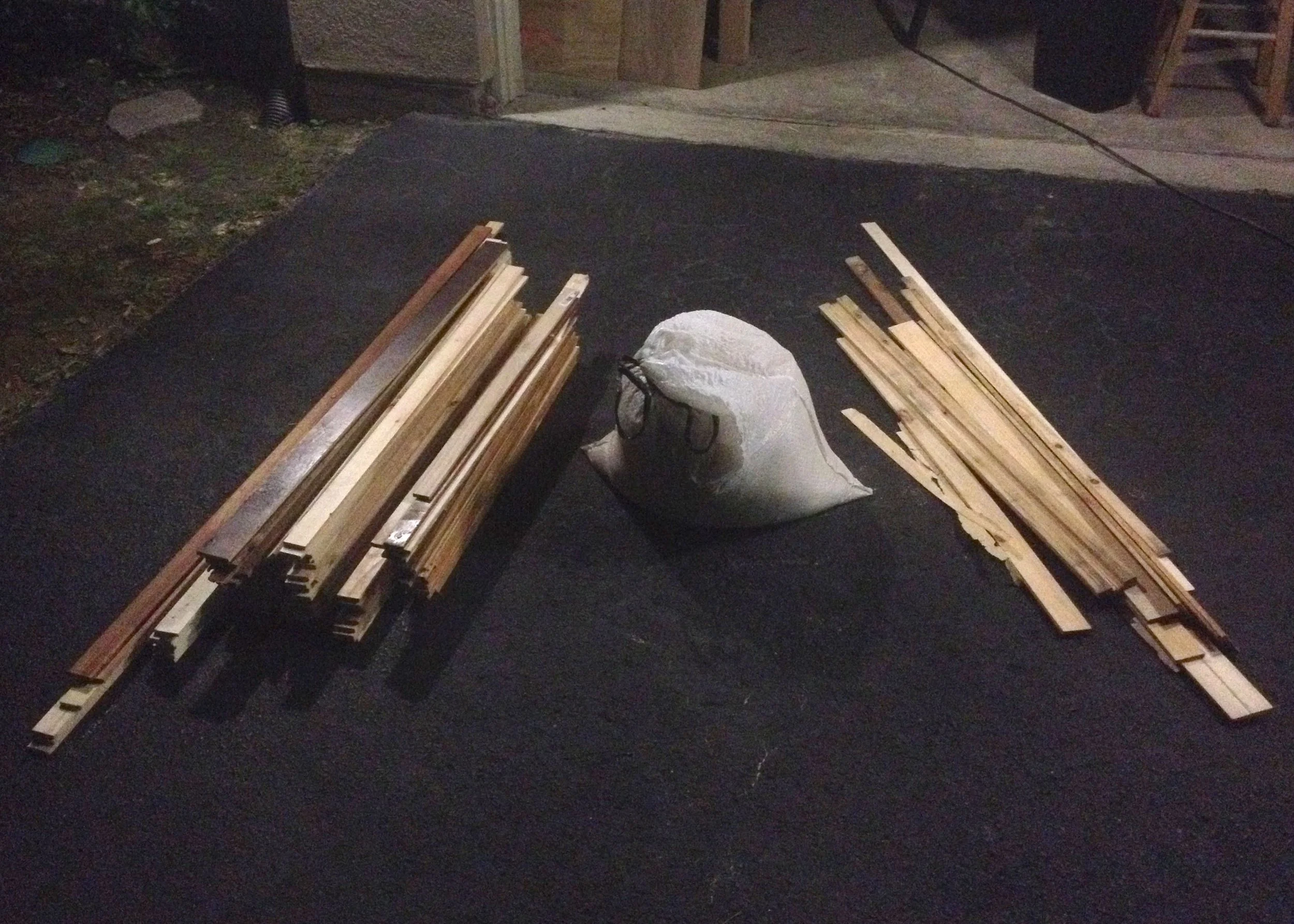
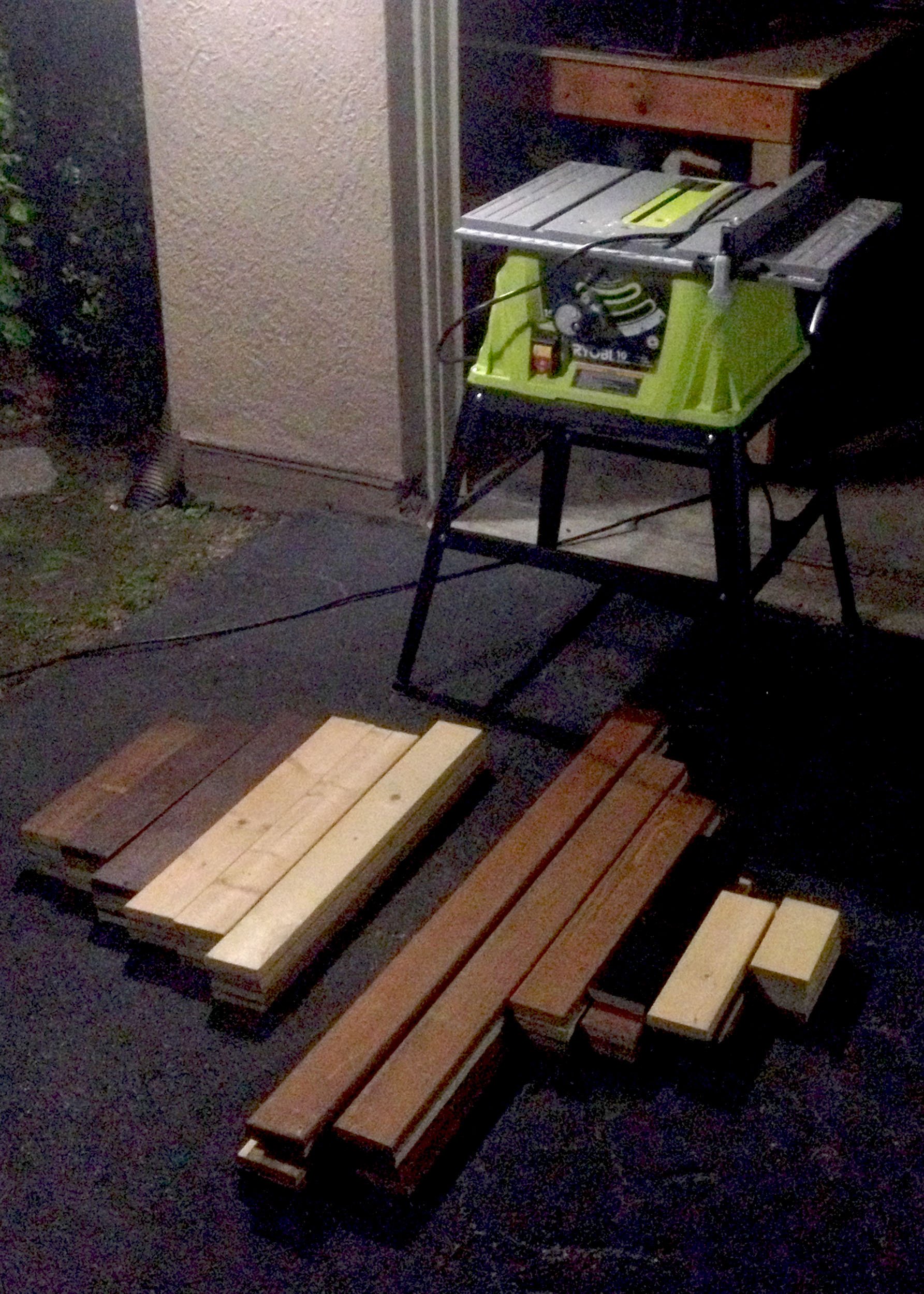
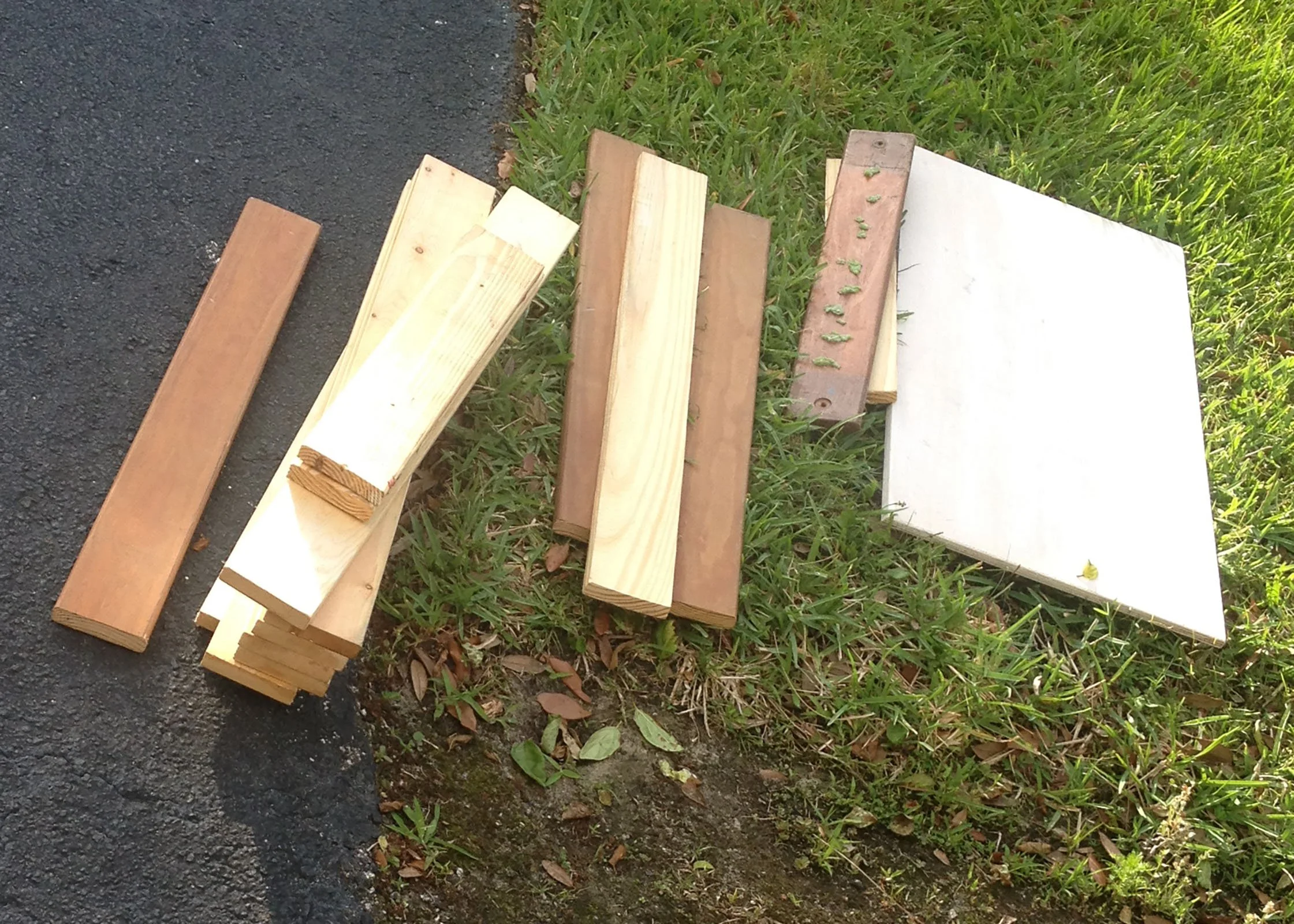
Before anything becomes a display, it starts here — in the breakdown.
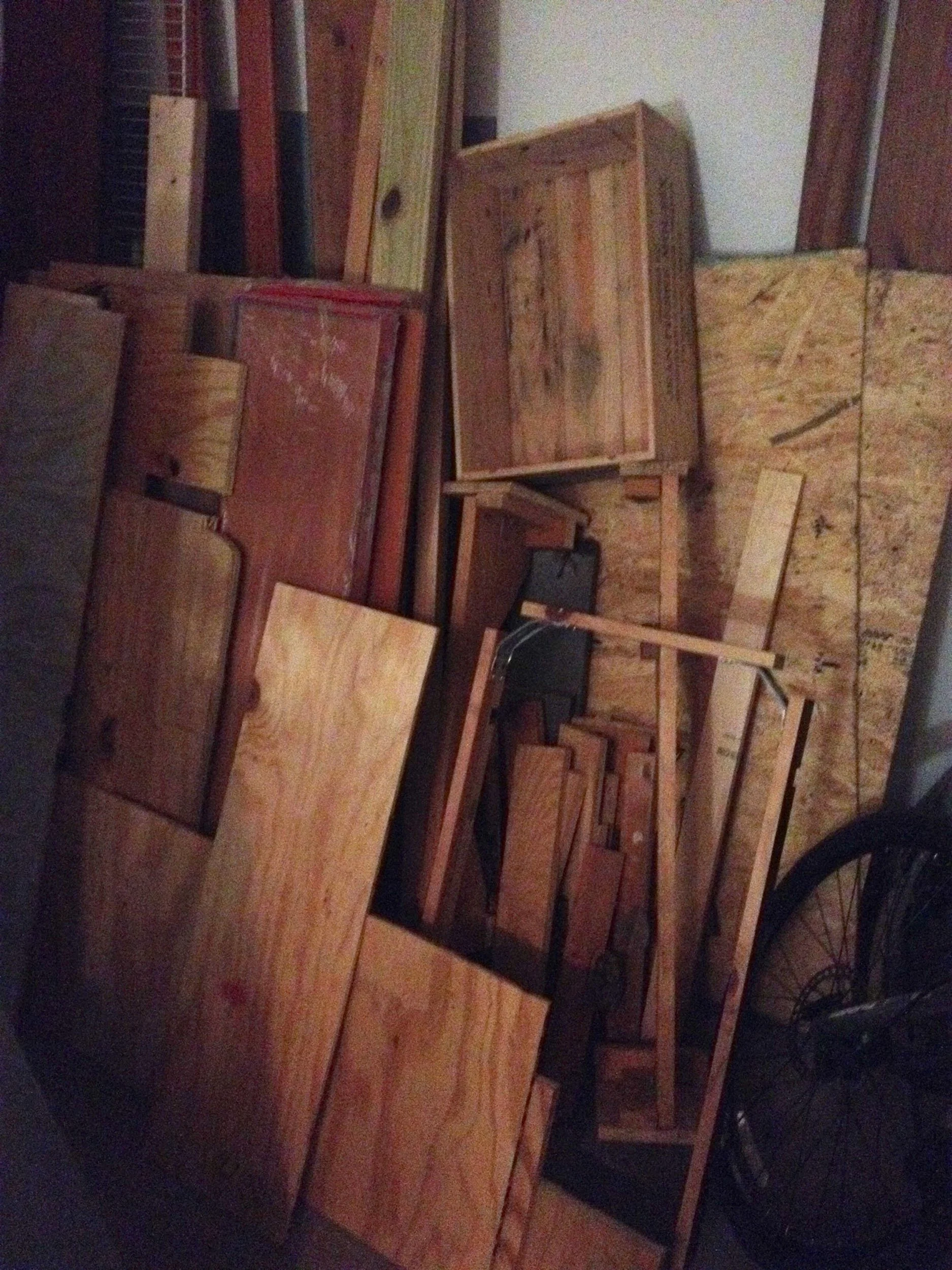
Most of the wood I use doesn’t come from a store. It comes from what’s been left behind — discarded furniture, old panels, pieces that have already lived a life somewhere else. Instead of seeing waste, I see raw material waiting for a second purpose.
This stage is less about precision and more about transformation. I cut everything down, rip it into usable strips, and sort it by size and potential. Thick pieces become structure. Thinner strips become accents, layers, or framing. Even the smallest offcuts don’t go to waste — they usually find their way into smaller builds or future ideas.
It’s a physical process. Loud, dusty, sometimes messy. But it’s also where the foundation gets set. Every decision here affects what the final display can become — how it holds, how it feels, how it carries the story of where it came from.
There’s something grounding about it. Taking something that’s been overlooked and giving it direction again. Not forcing it into something new, but working with what it already is.
By the time I’m done with this part, I’m not just left with cut wood — I’m left with options. Possibilities. The beginning of a system that will eventually hold the work I bring out into the world.
Where the Wood Finds Its Tone
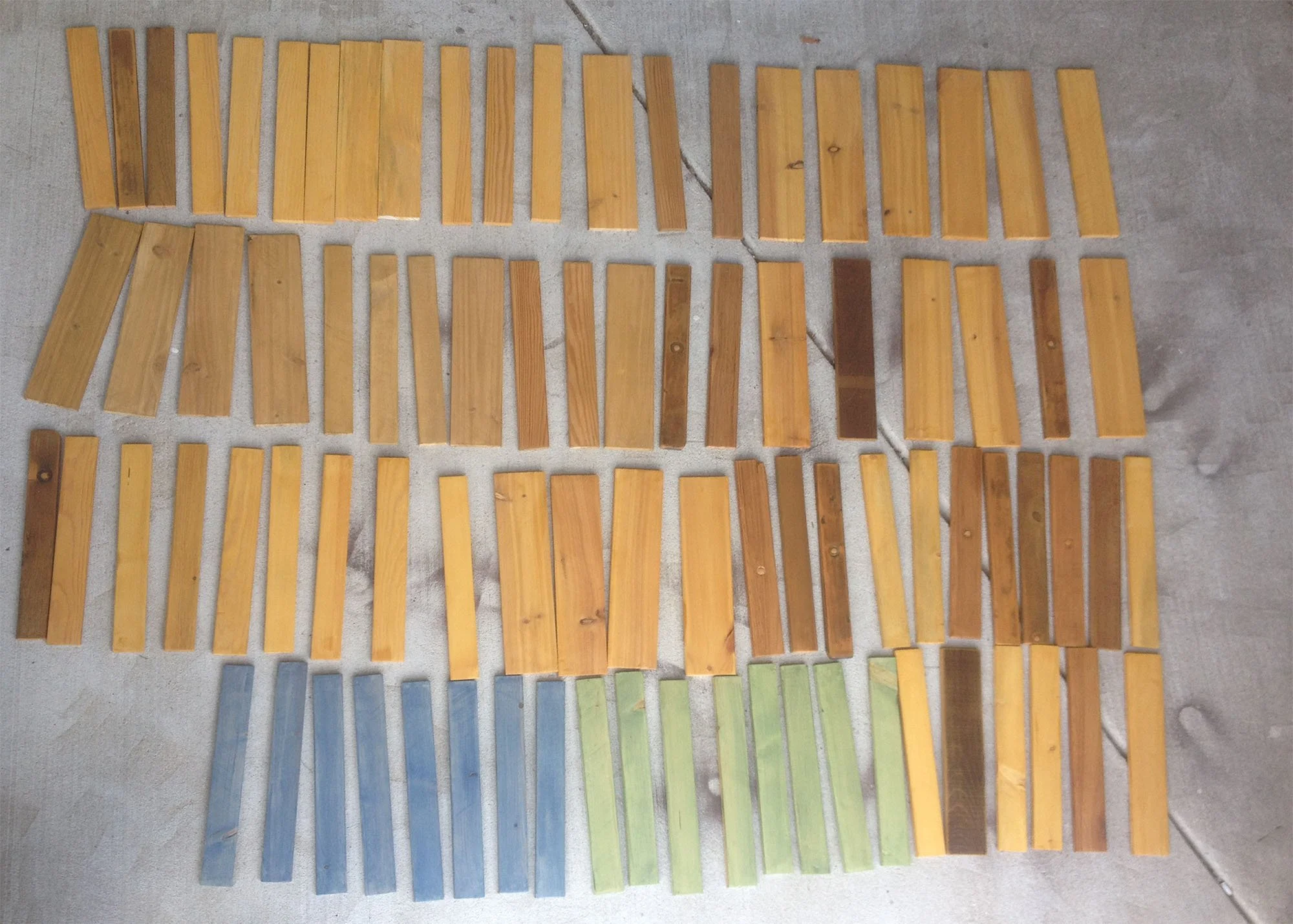
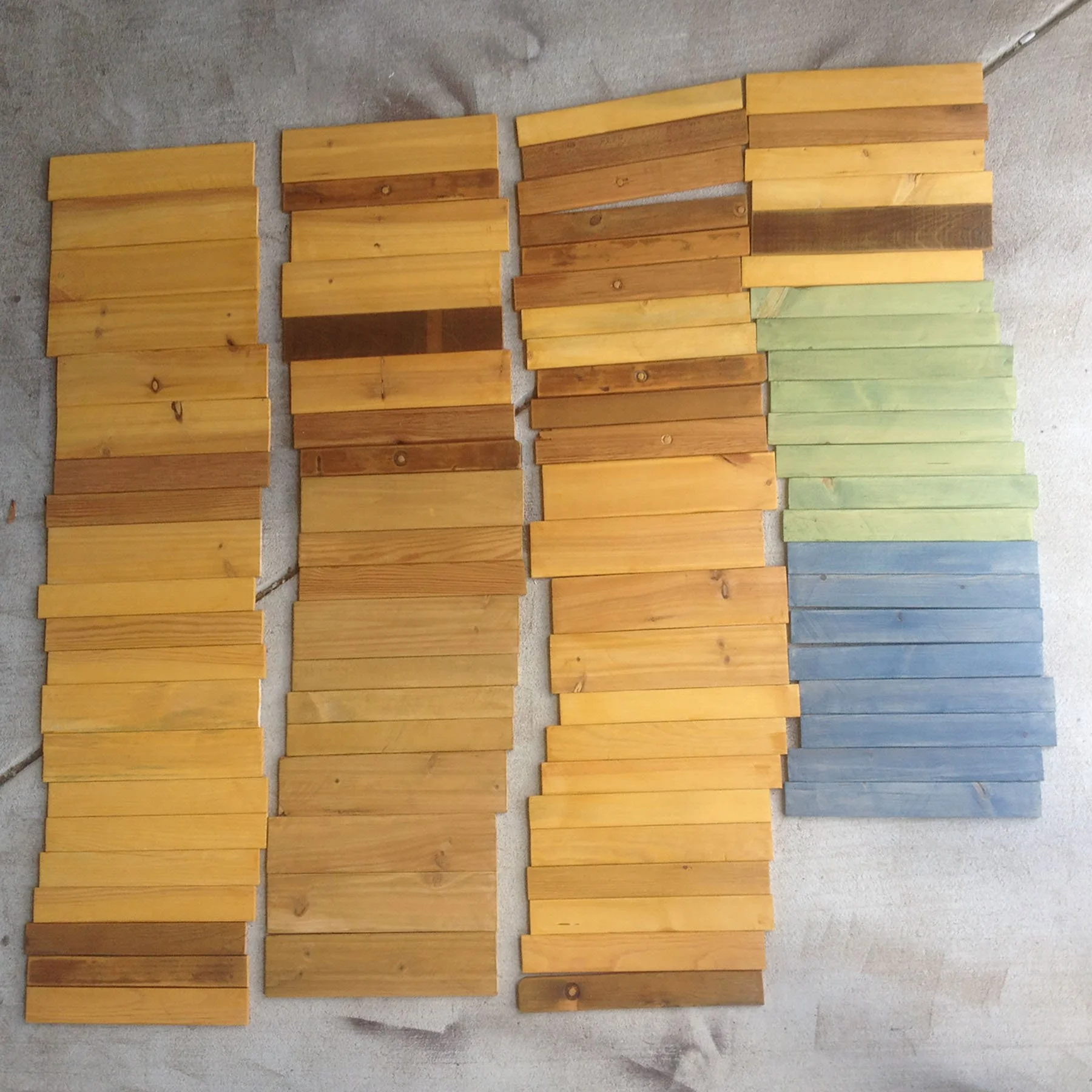
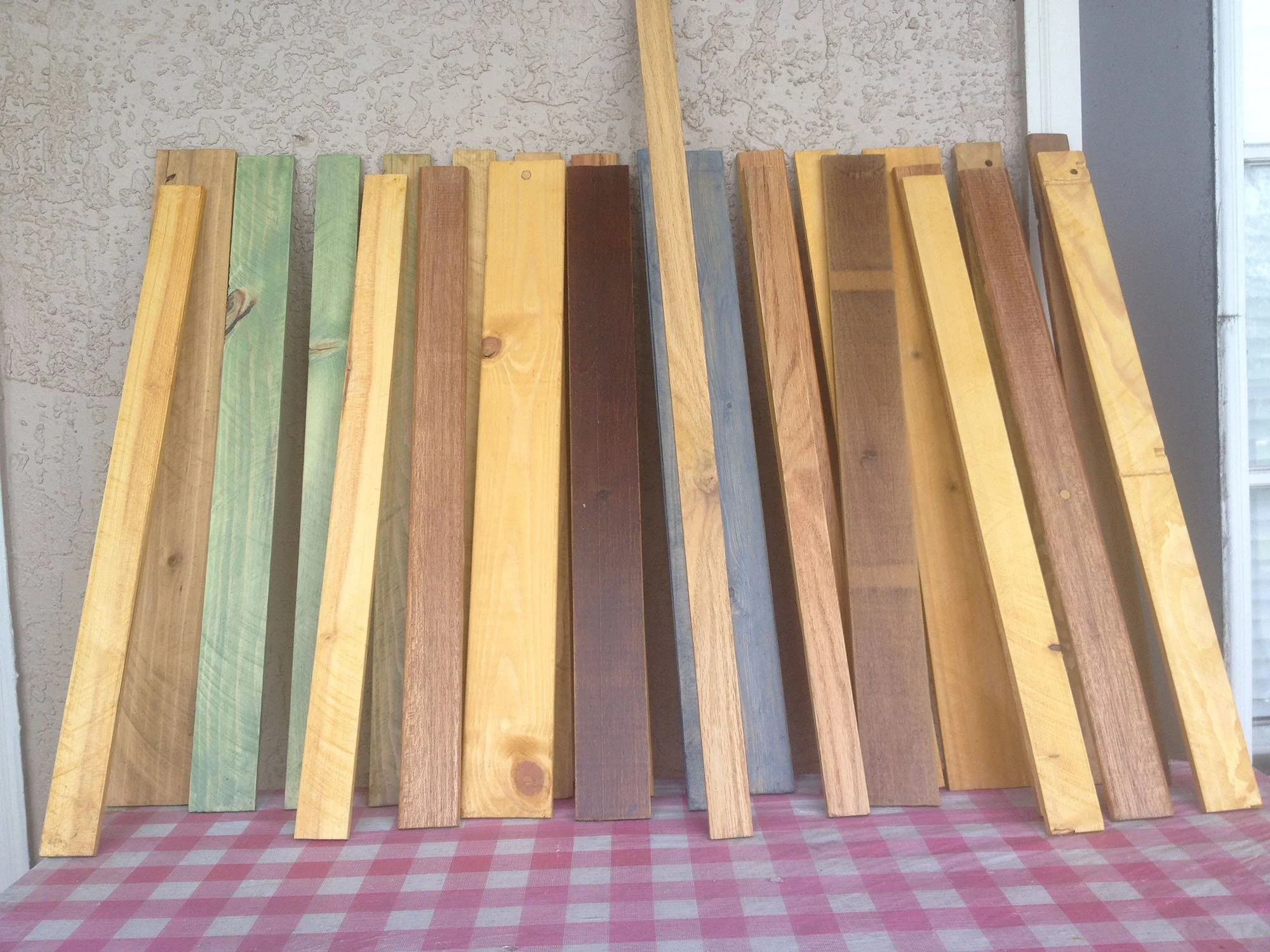
After the breakdown comes refinement — and a lot of it never makes it into photos.
Before any color touches the surface, there are hours spent sanding. Smoothing edges, leveling inconsistencies, and working through whatever the wood carried with it from its previous life. It’s repetitive, quiet work. Easy to overlook, but it’s what allows everything that comes next to land the way it should.
Once the surface is ready, the staining process begins.
This is where the wood starts to shift from raw material into something intentional. Each piece takes the stain differently — some absorb it deep and dark, others stay light, letting the grain come through. I don’t try to force uniformity. The variation is the point. It’s what gives the final display its depth and movement.
I work through tones — layering warmth, occasionally bringing in subtle color, letting certain pieces stand out while others support. It’s less about painting and more about revealing what’s already there, just pushed a little further.
Laying everything out, side by side, is part of the process too. Seeing how the tones interact, how one piece plays off another. This is where the display starts to take shape, even before anything is assembled.
By the end of this stage, the wood isn’t just cut and prepared — it has direction. It has rhythm. It’s starting to become a system, not just a collection of pieces.
This Is Where It Becomes Real
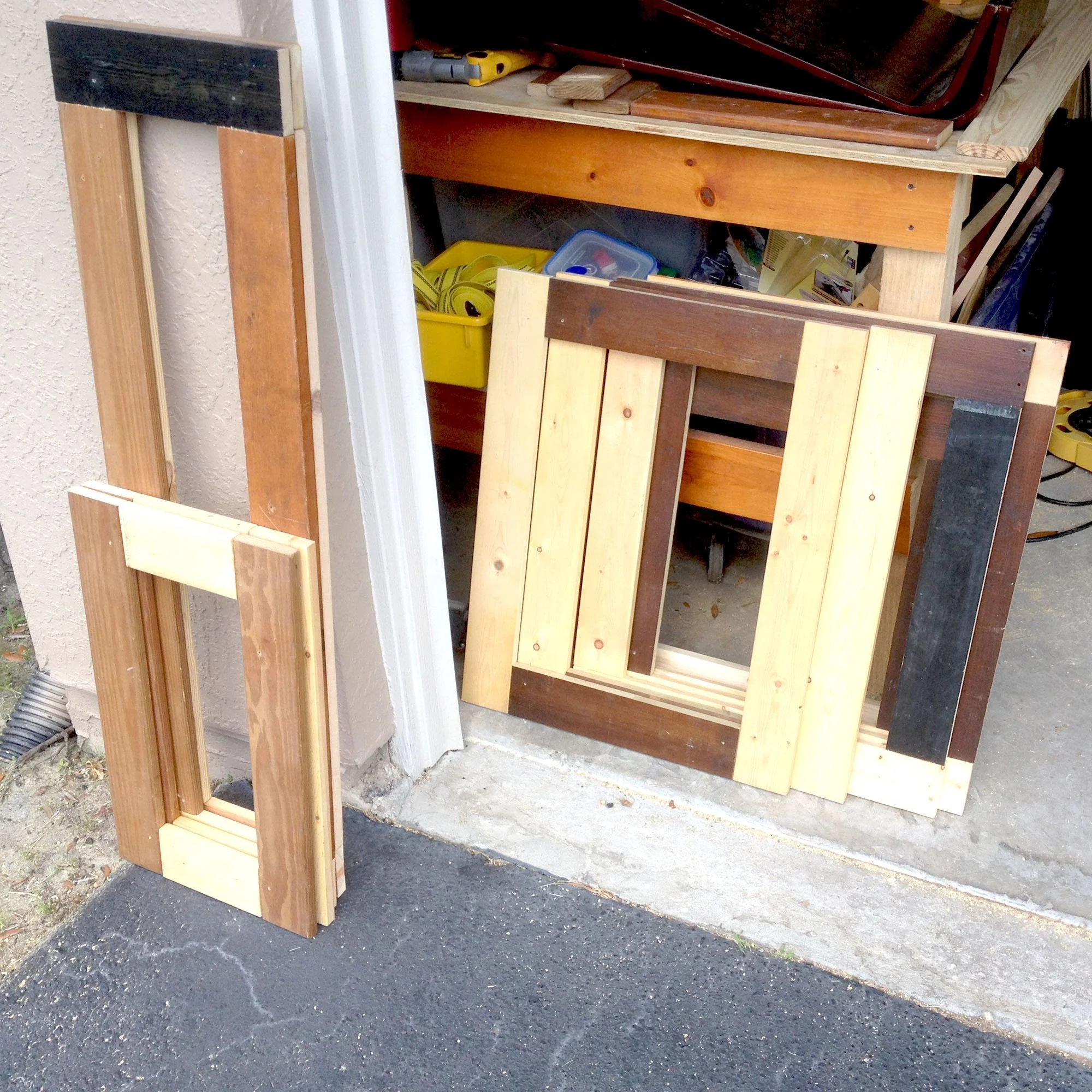
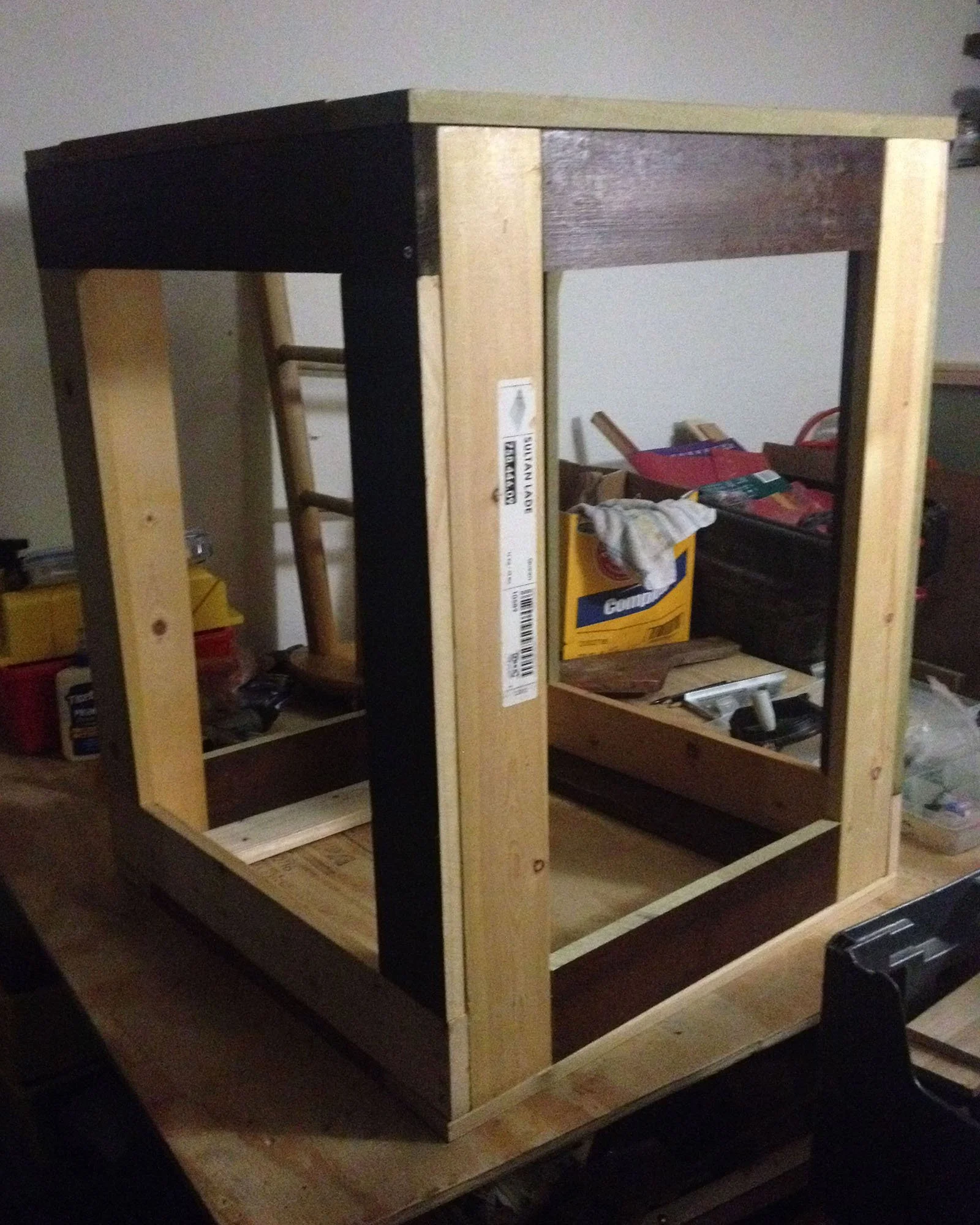
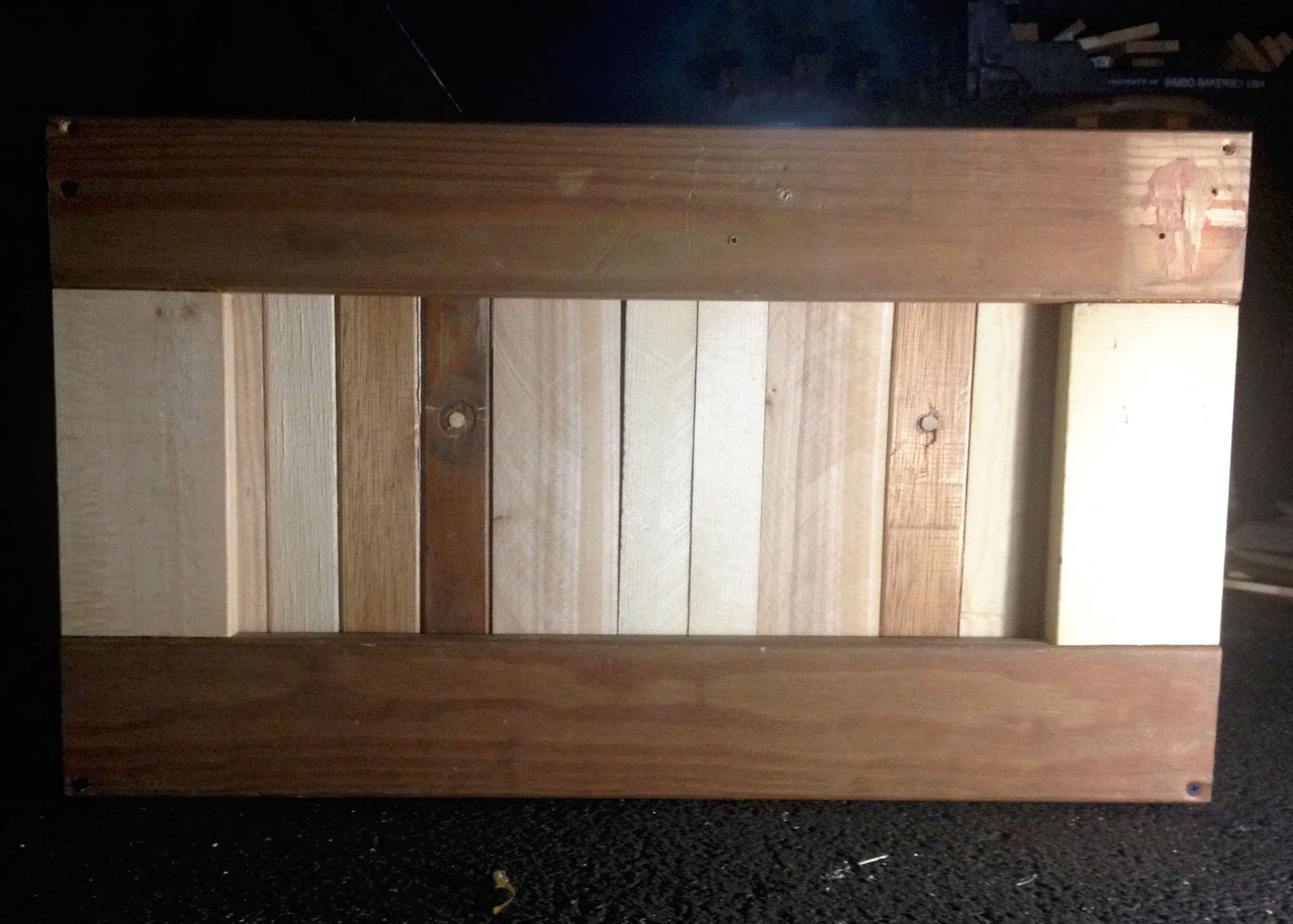
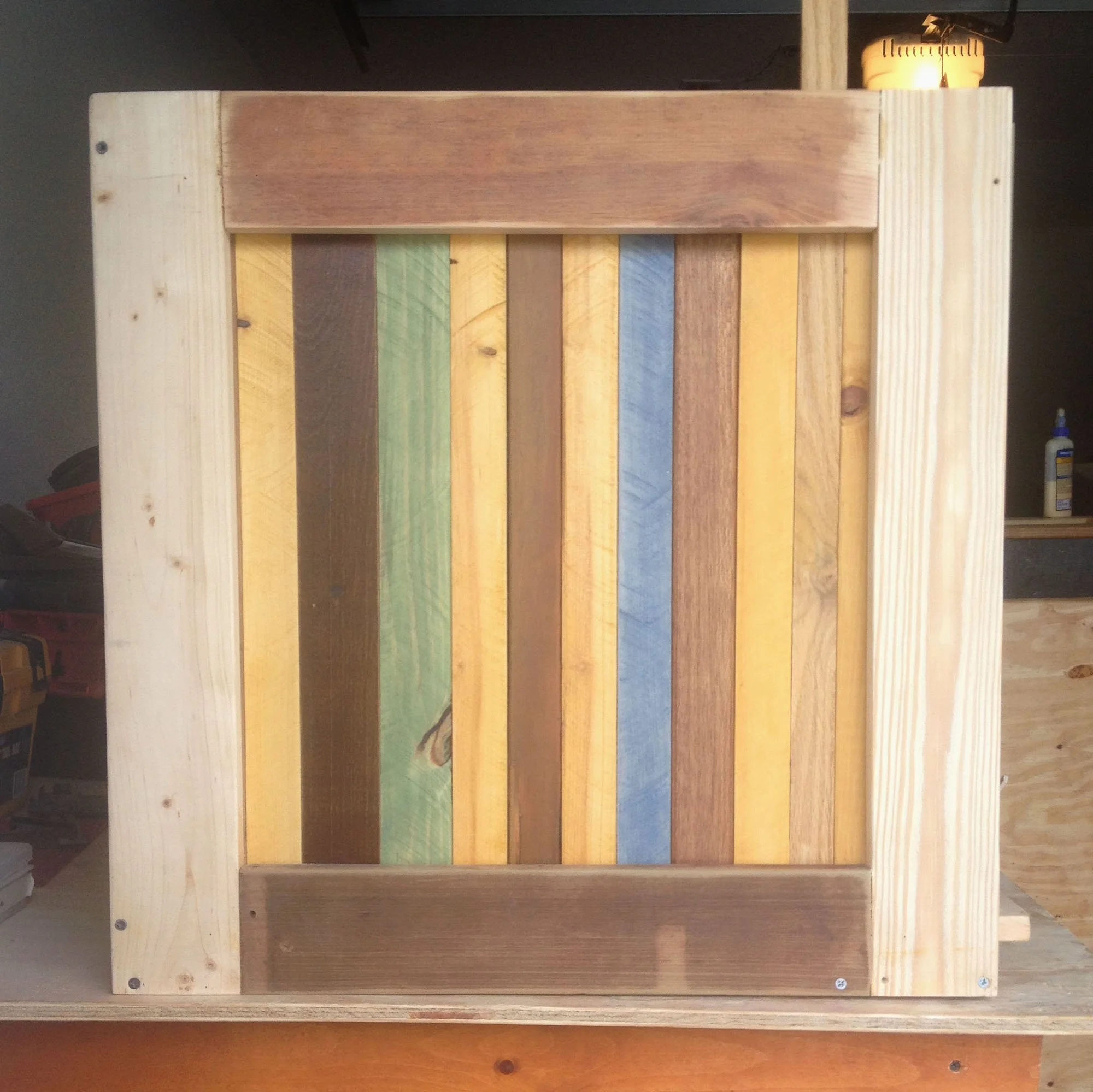
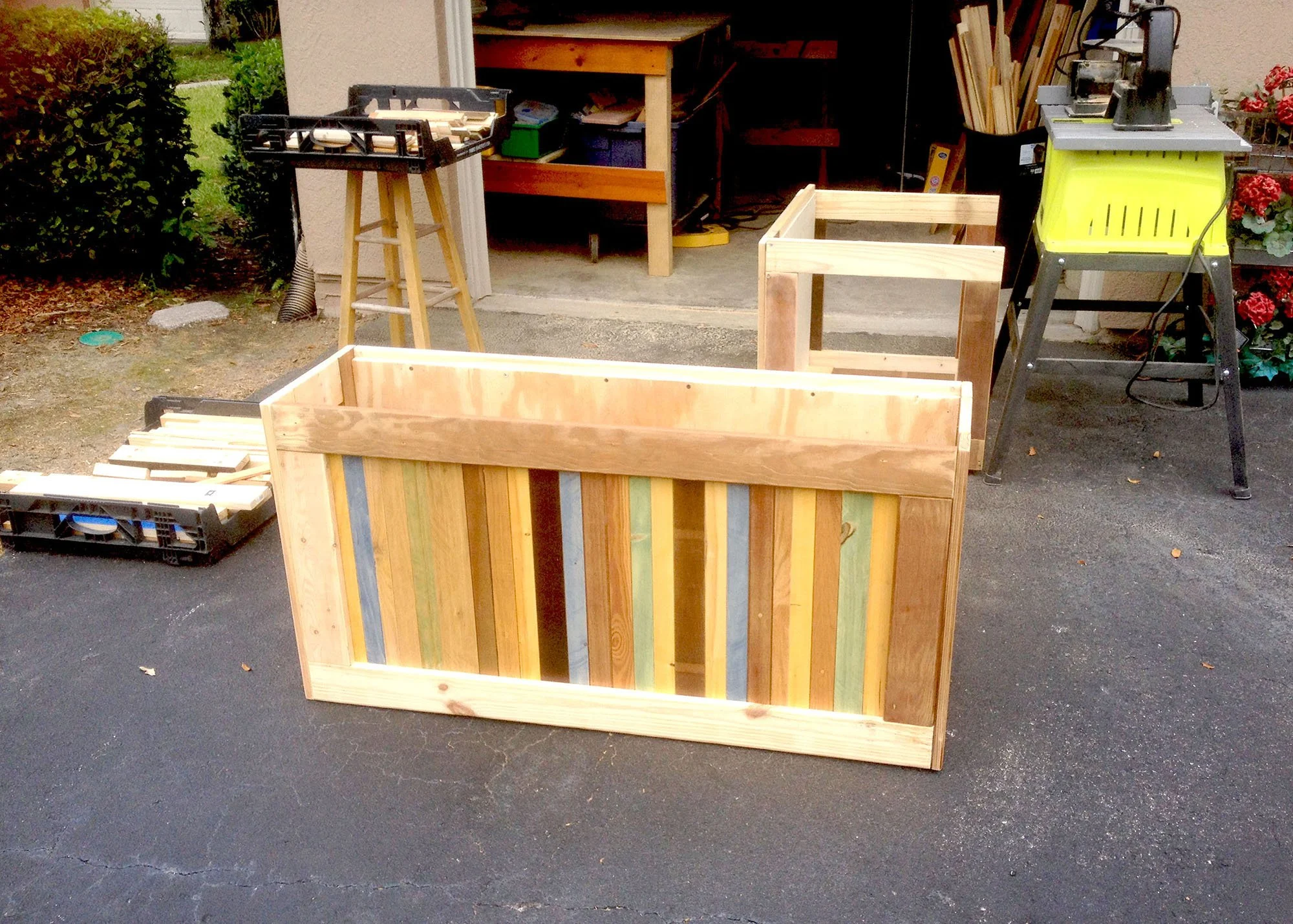
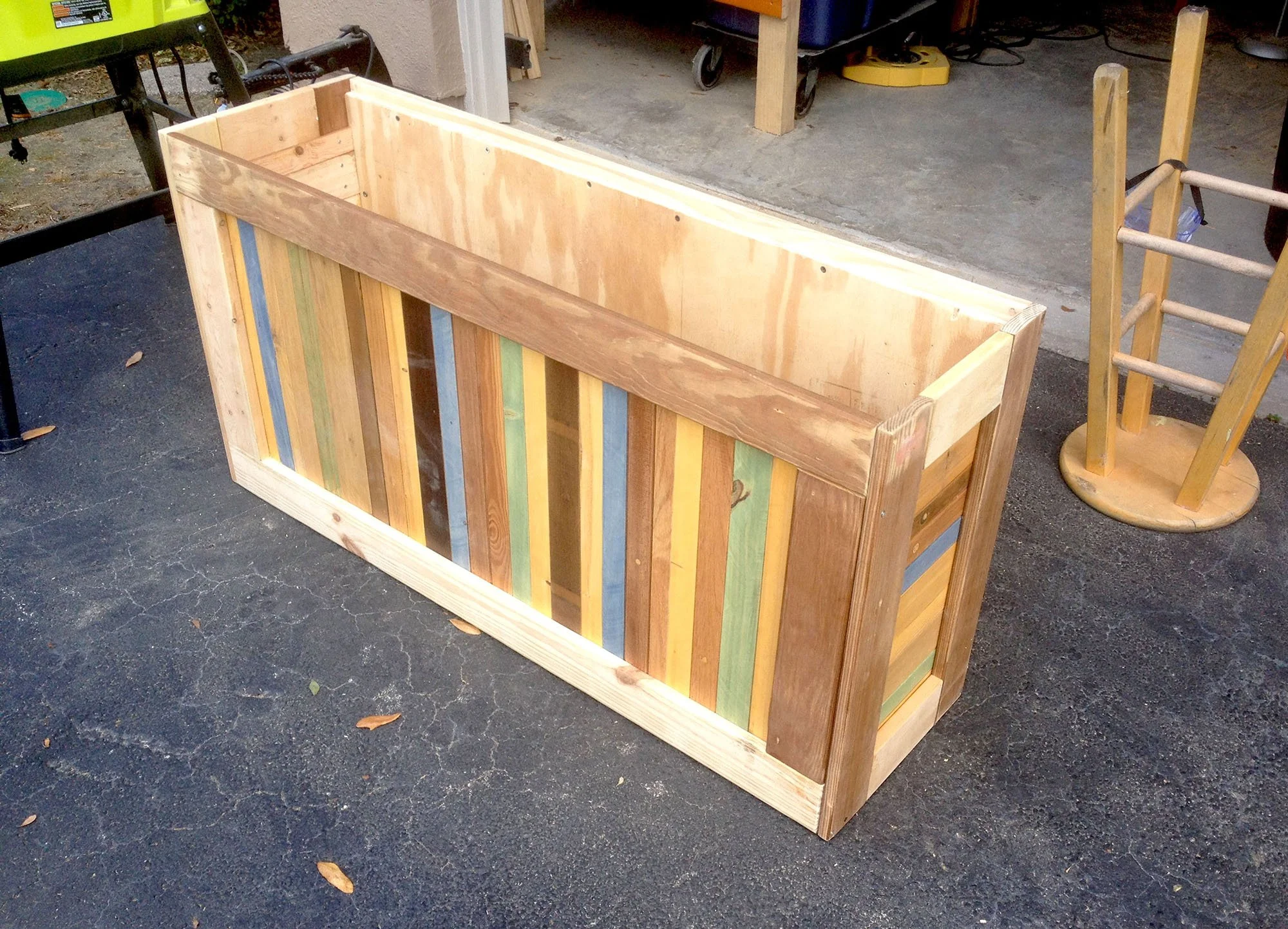
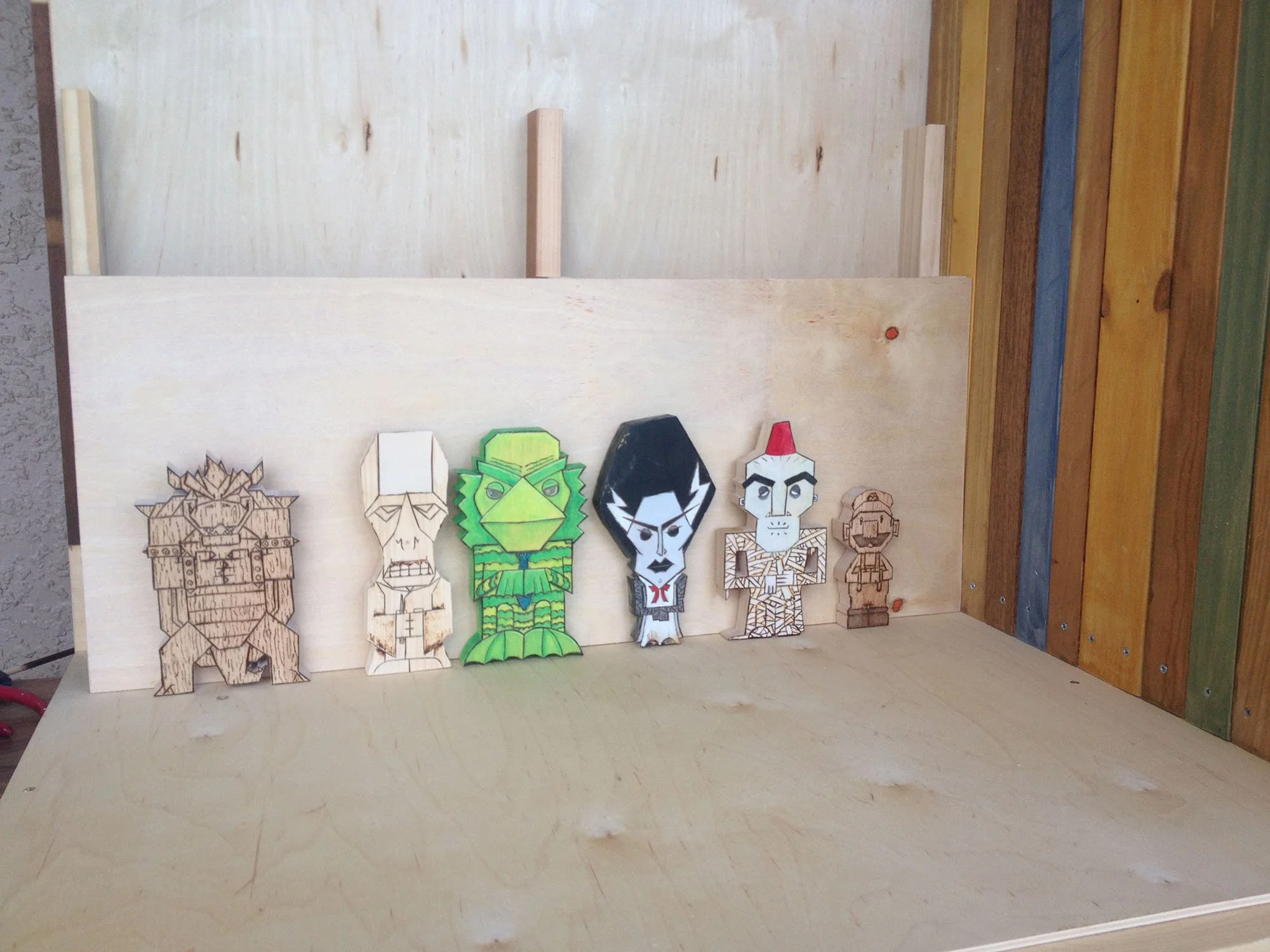
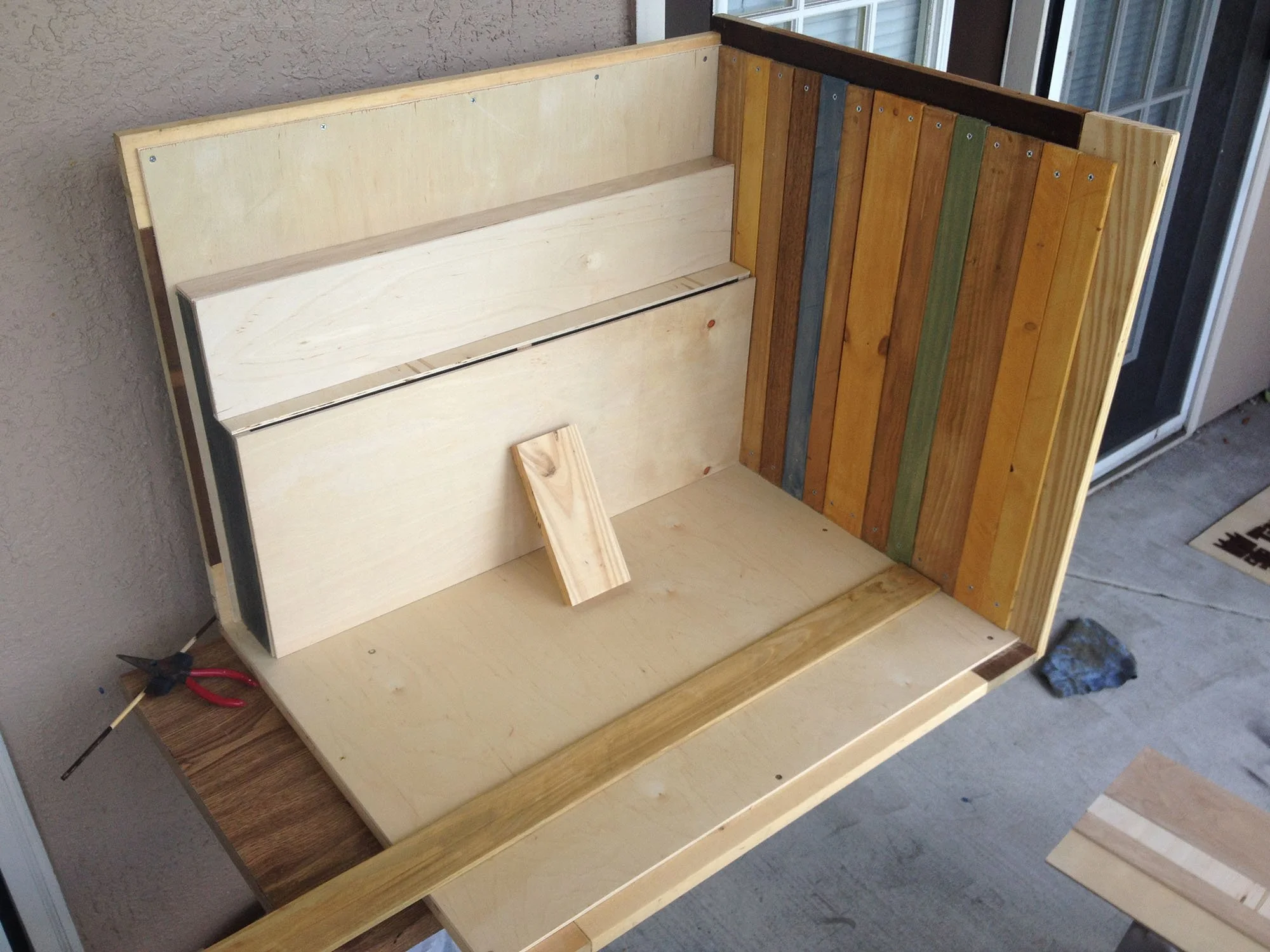
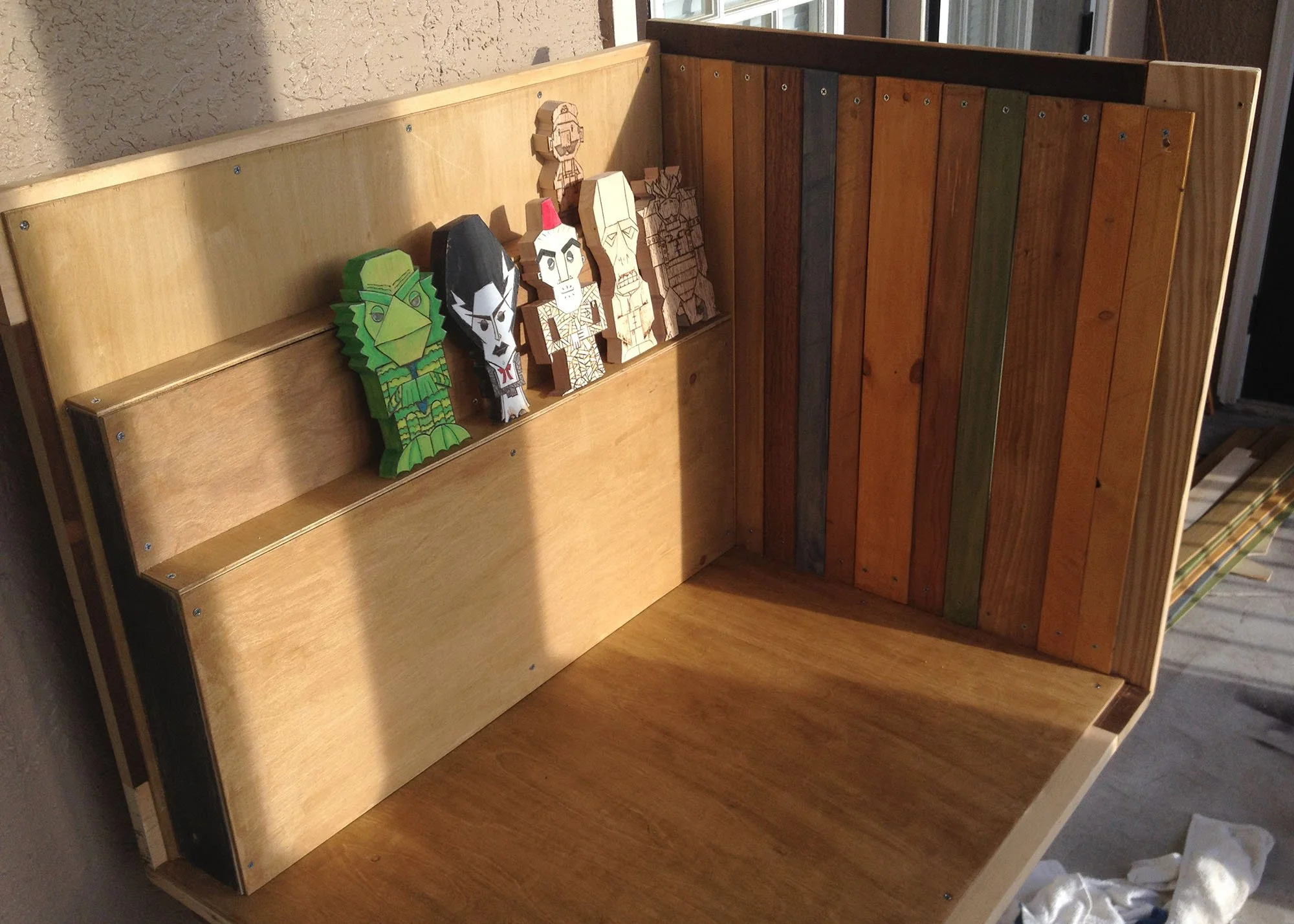
Once the wood is cut, sanded, and stained, the next step is bringing it all together — not as individual pieces, but as a system.
This is where the frames come in.
Up to this point, everything exists as options. Different tones, different sizes, different textures. The frame is what begins to define how those pieces will live together. It sets boundaries. It gives direction. It turns loose material into something that can hold weight — visually and physically.
I start by building out the structure first. Simple, functional framing that can support the panels and handle the wear of being moved, set up, and broken down. This isn’t just about how it looks — it has to work in the real world. It has to be sturdy, repeatable, and reliable.
Once the frame is in place, the stained slats start finding their position inside it.
This part is less about precision and more about feel. Shifting pieces around, balancing tones, letting certain colors stand out while others settle back. The variation that came from the staining process now becomes part of the composition. Nothing is perfectly uniform, and that’s intentional. The movement across the surface is what gives the display its character.
You can start to see it here — the transition from raw material to something cohesive. Not just a collection of wood, but a built environment designed to hold the work that comes next.
By the end of this stage, the display isn’t finished, but it’s grounded. It has structure. It has identity. And it’s ready to do its job.
Giving It a Name
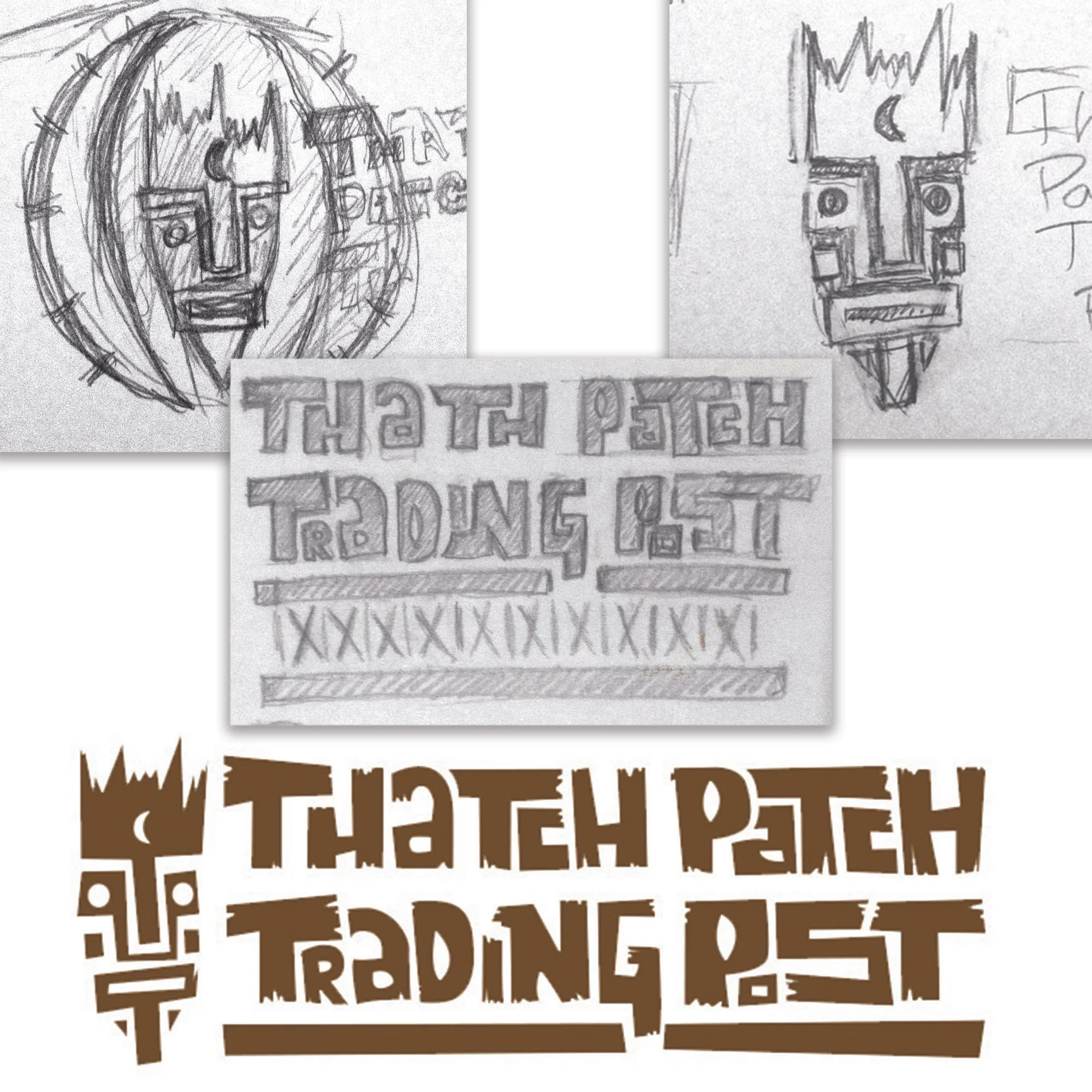
Up until this point, everything has been about building the structure — cutting, sanding, staining, assembling. Creating something functional. Something that works.
But a display isn’t complete until it has a voice.
This is where the sign comes in.
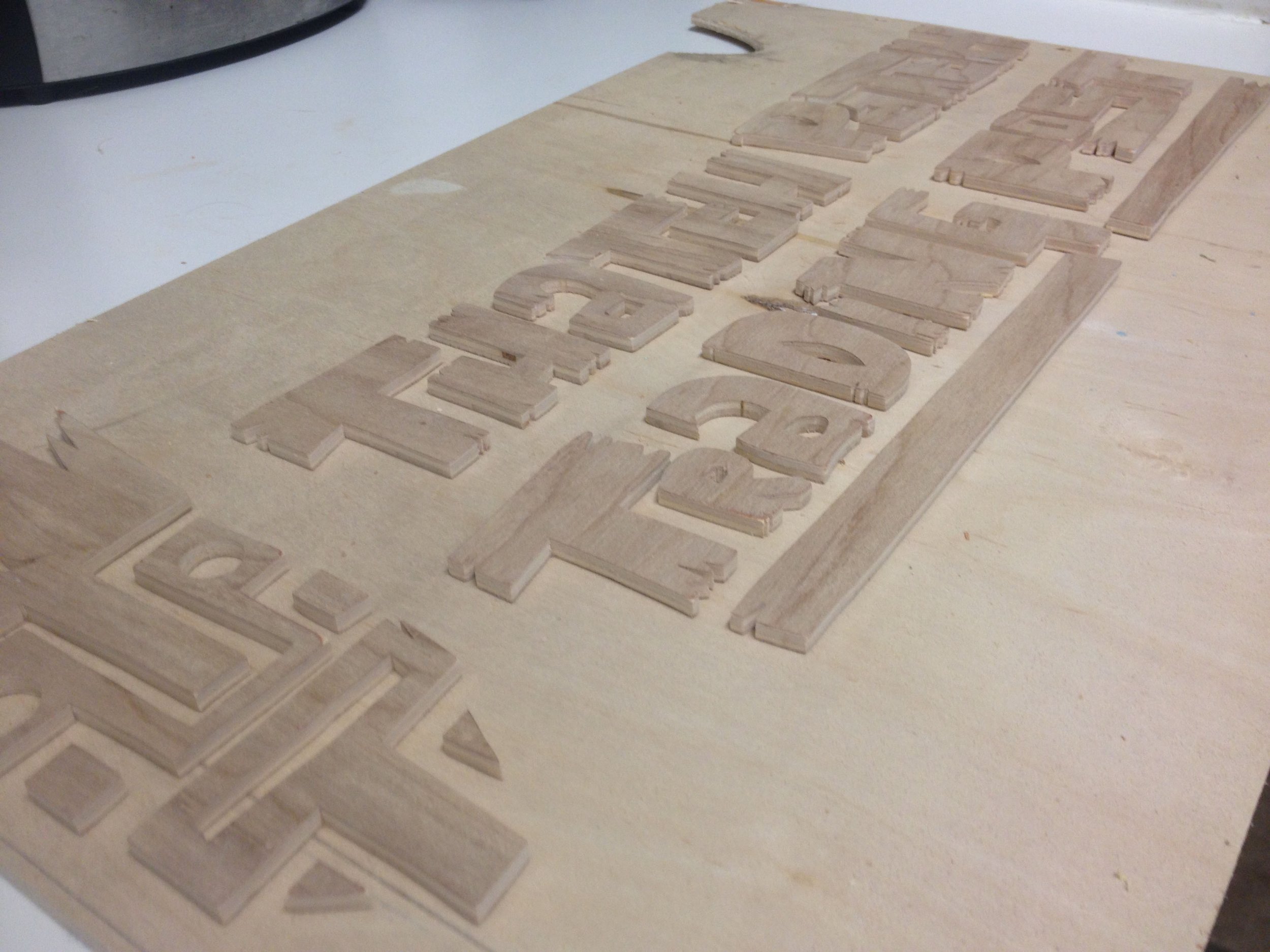
It starts simply — sketches on paper. Rough ideas, shapes, proportions. Not trying to make it perfect, just trying to find something that feels right. The lettering, the spacing, the symbol — all of it working together to represent what this space is about.
From there, it moves into wood.
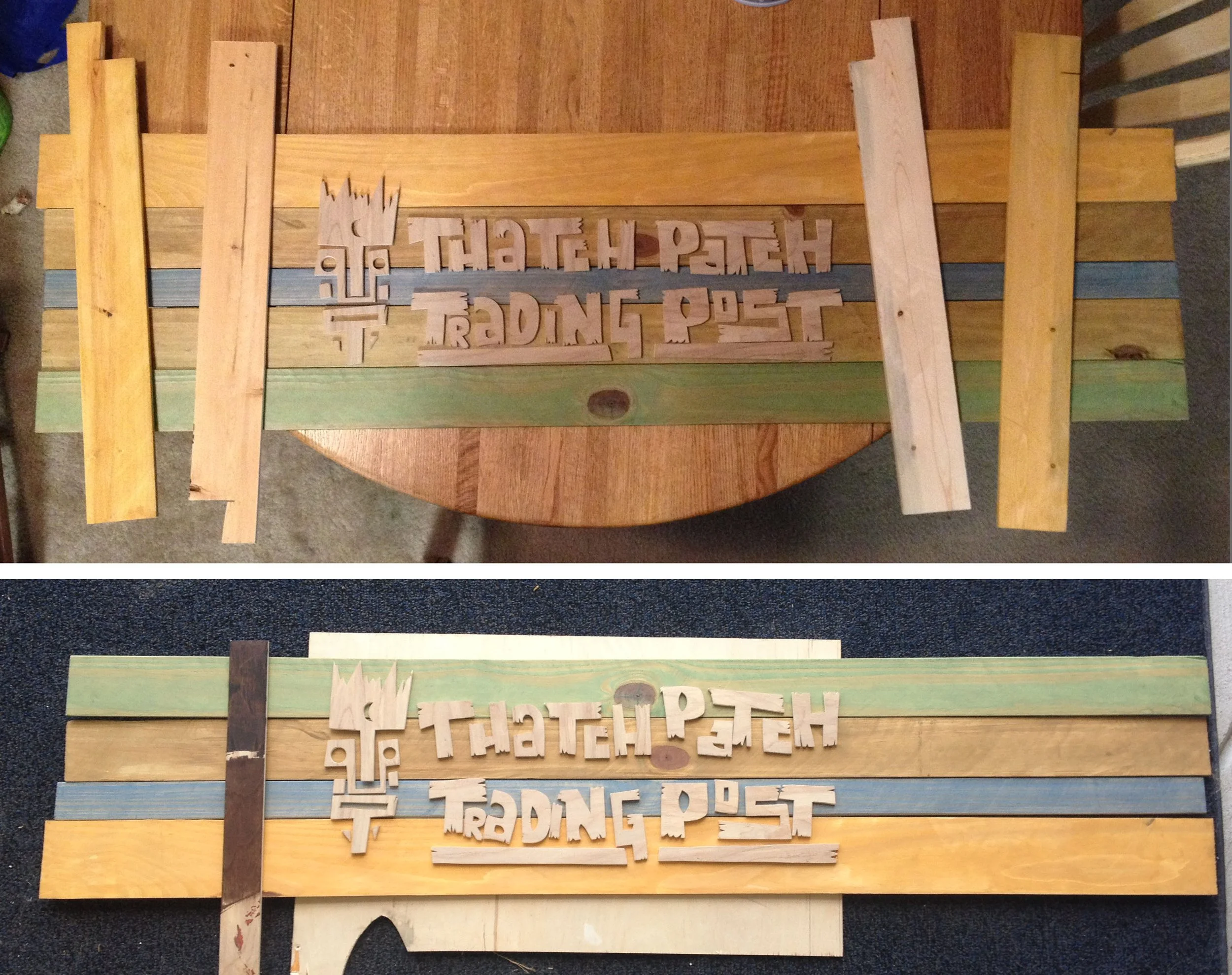
Each letter is cut by hand, one at a time. There’s no shortcut here. Every edge, every angle carries that imperfect, human quality that matches the rest of the build. It’s not meant to look manufactured — it’s meant to feel like it came from the same place as everything else.
Once cut, the pieces are laid out and adjusted. Spacing shifts. Alignment changes. The composition gets refined by eye, not by ruler. This part takes patience — stepping back, looking again, moving things slightly until it settles into something that feels balanced.
Then comes the stain.
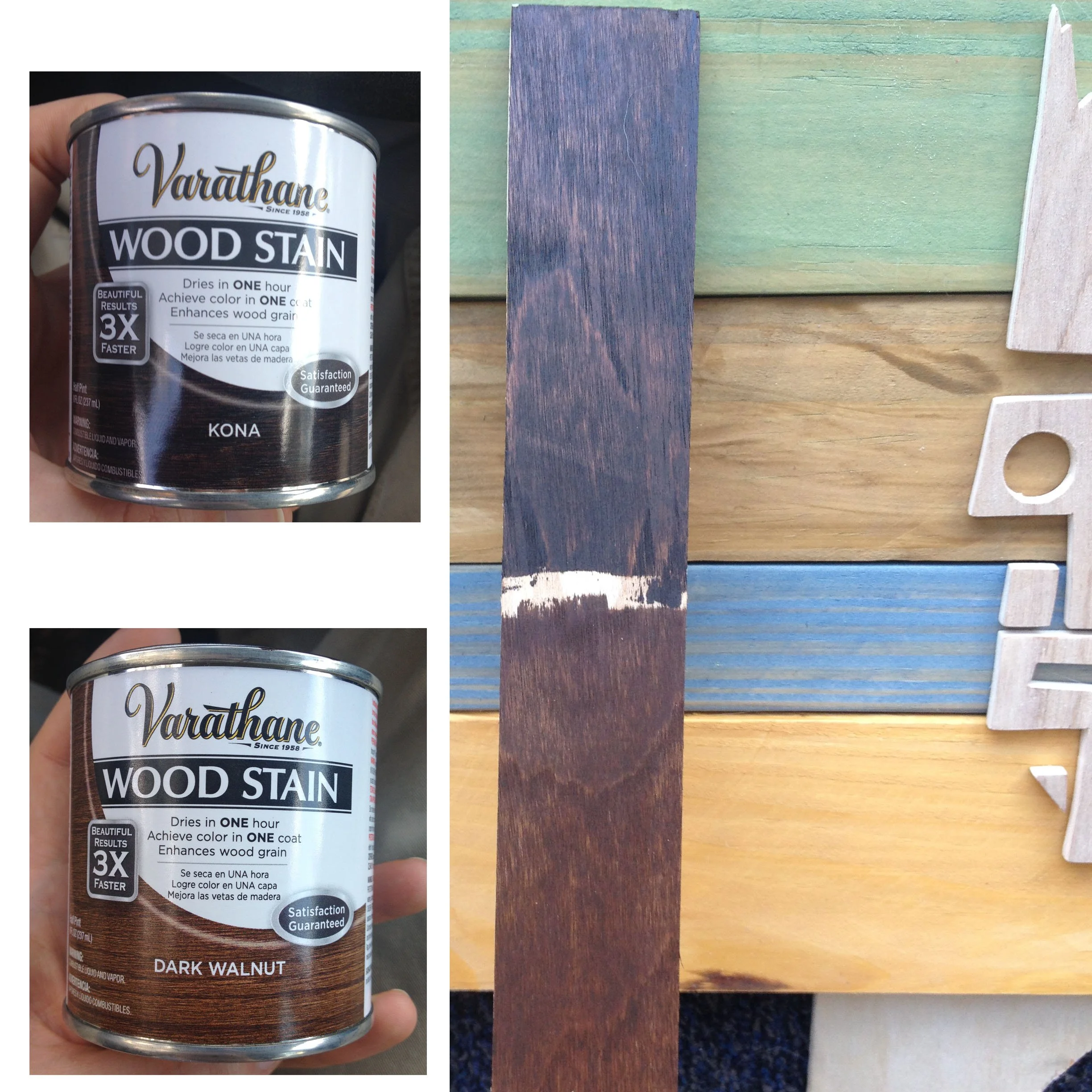
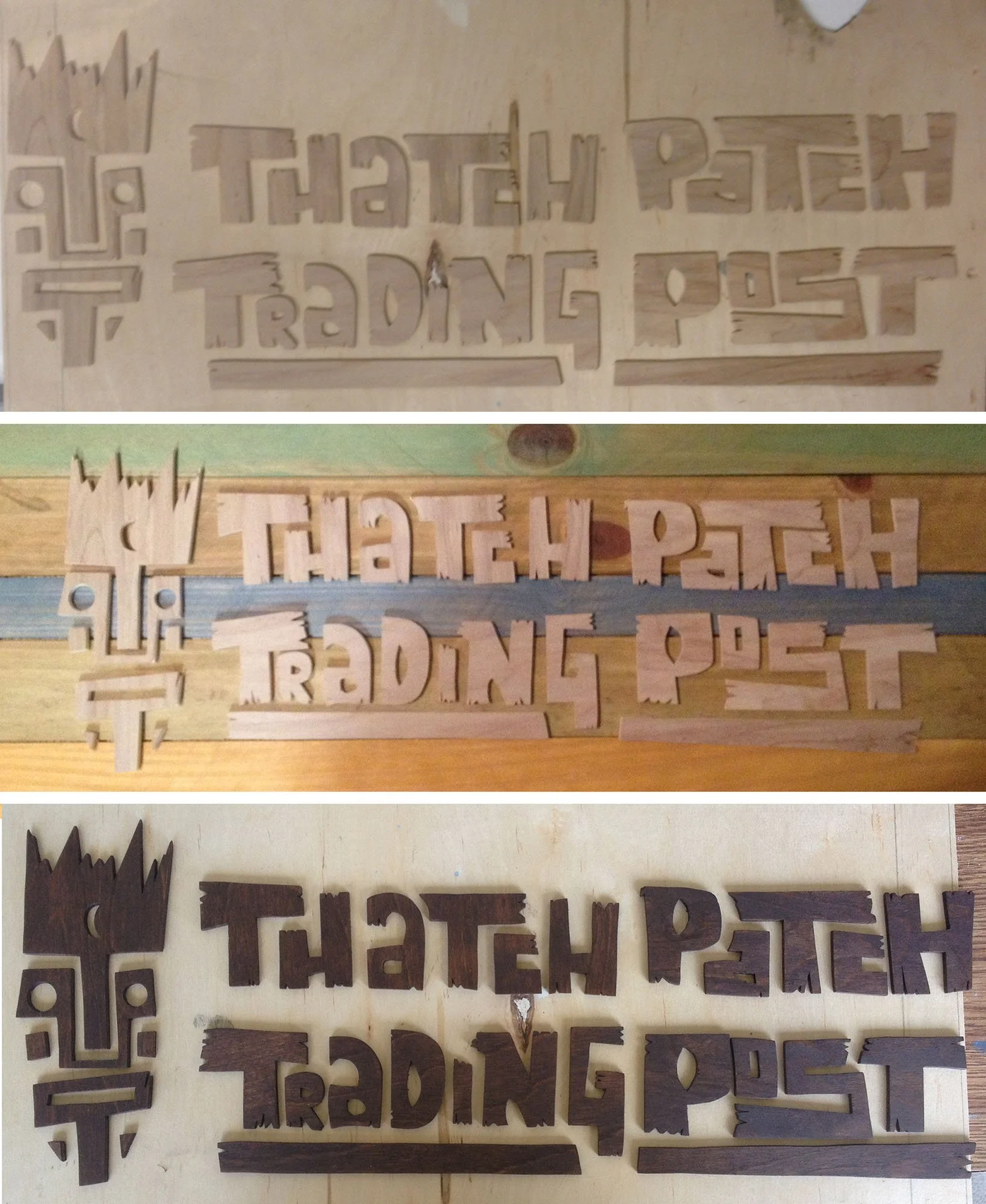
Just like the slats in the display, the letters take on their own character. Testing different tones, seeing how they sit against the background, deciding how much contrast is needed for the sign to stand out without feeling separate from the rest of the piece.
The goal isn’t just readability — it’s cohesion.
By the end of this stage, the display has more than structure. It has a name. It has presence. It tells people what they’re looking at before they even step closer.
It’s no longer just something I built.
It’s something that represents what I do.
From Idea to Experience
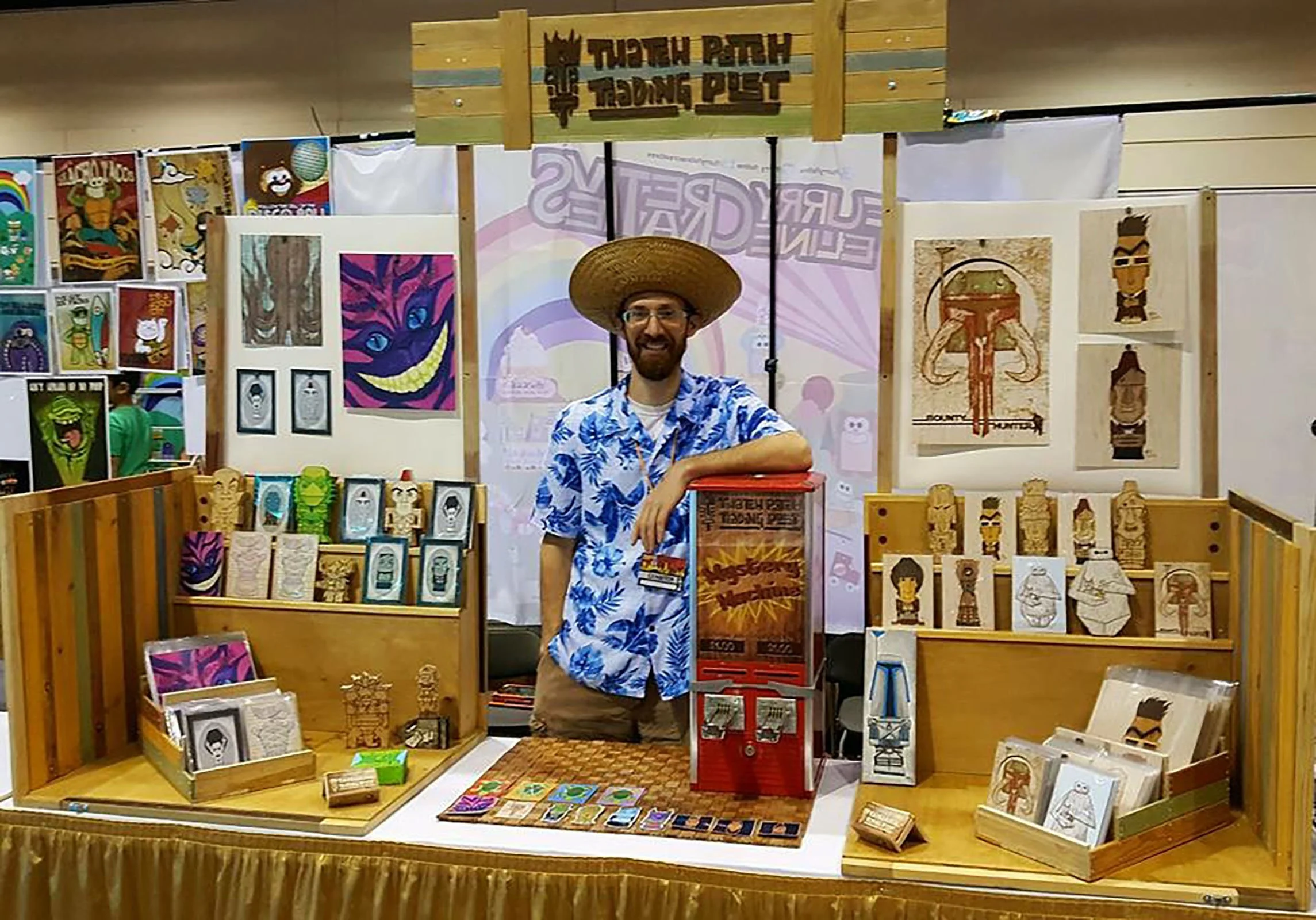
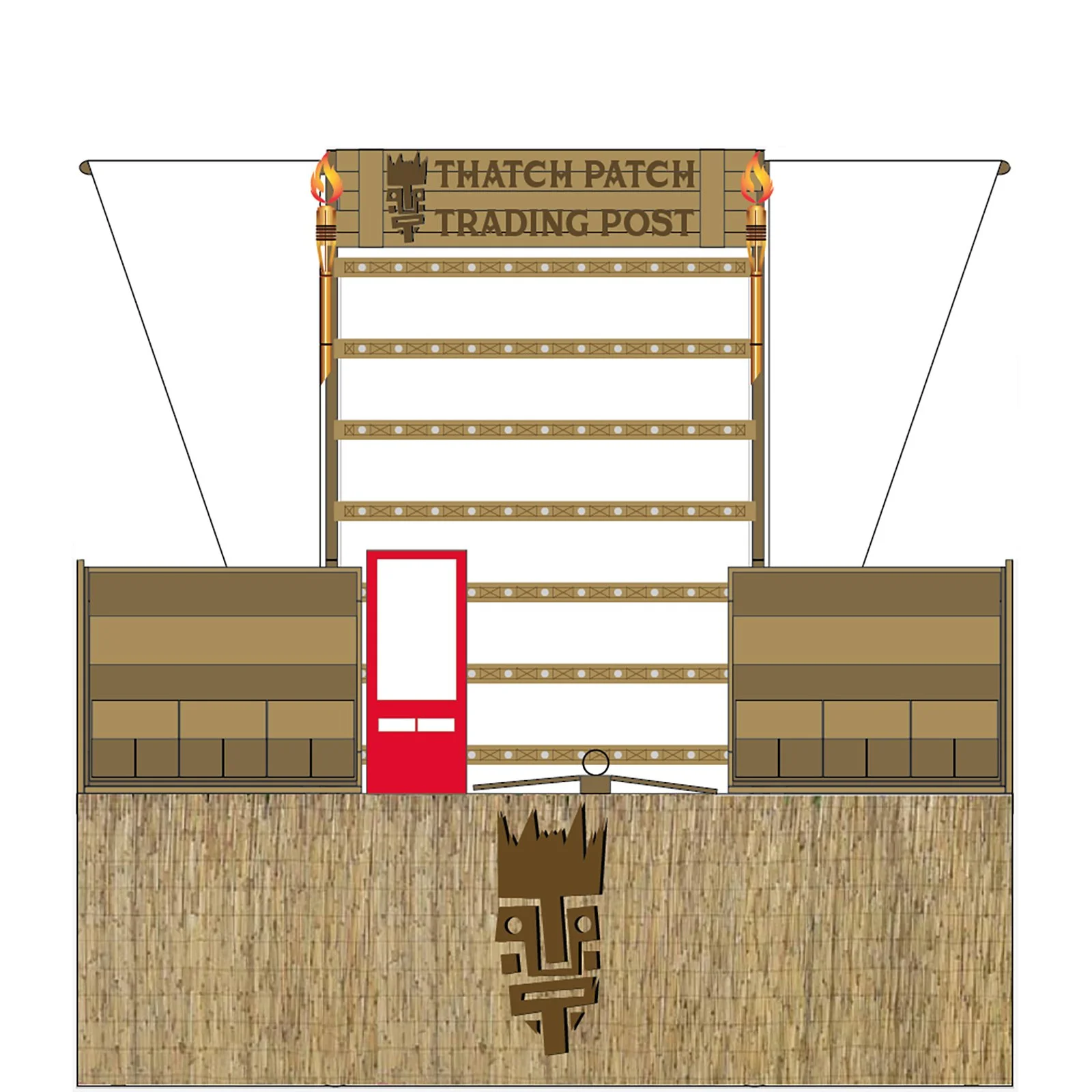
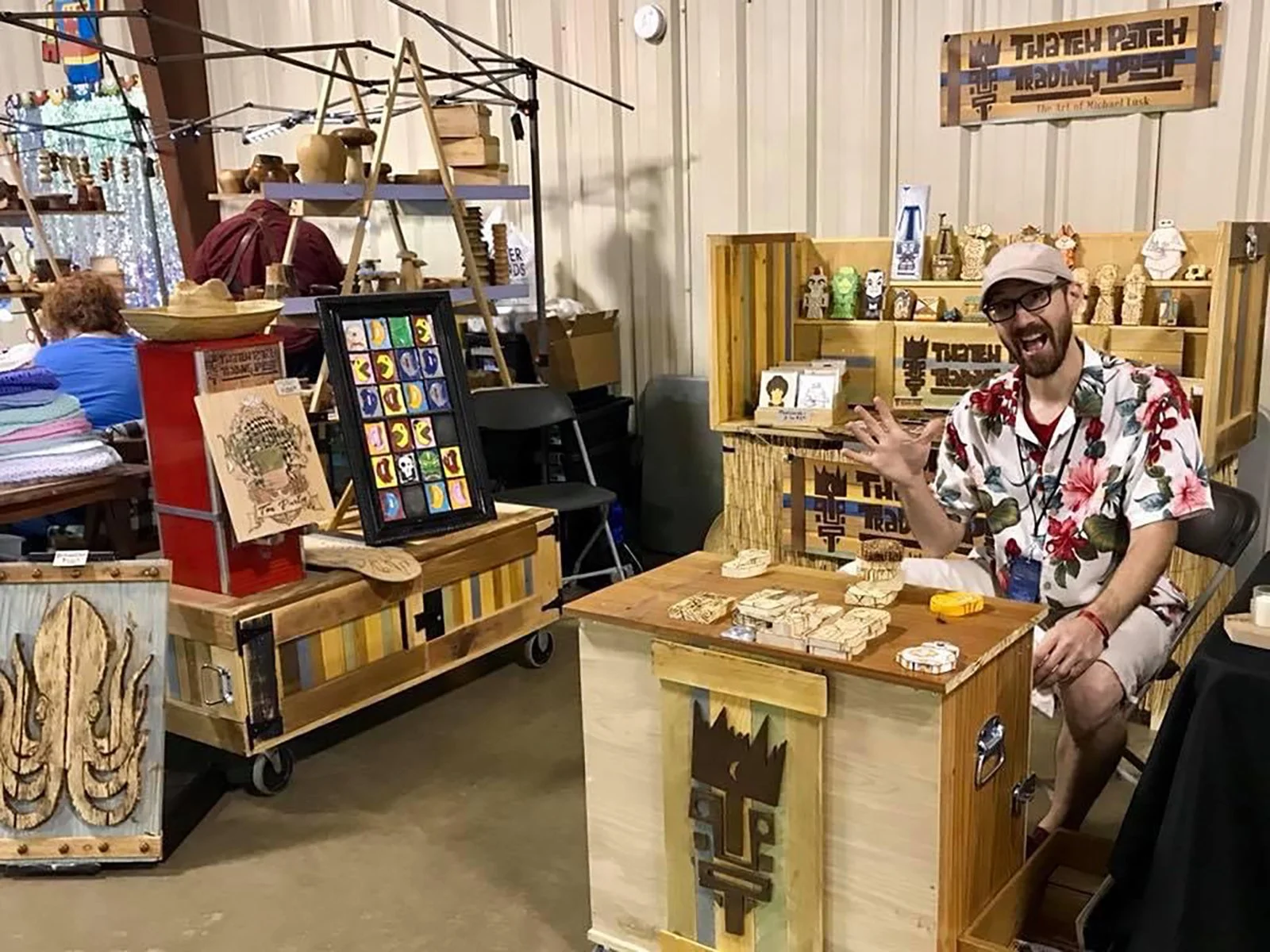
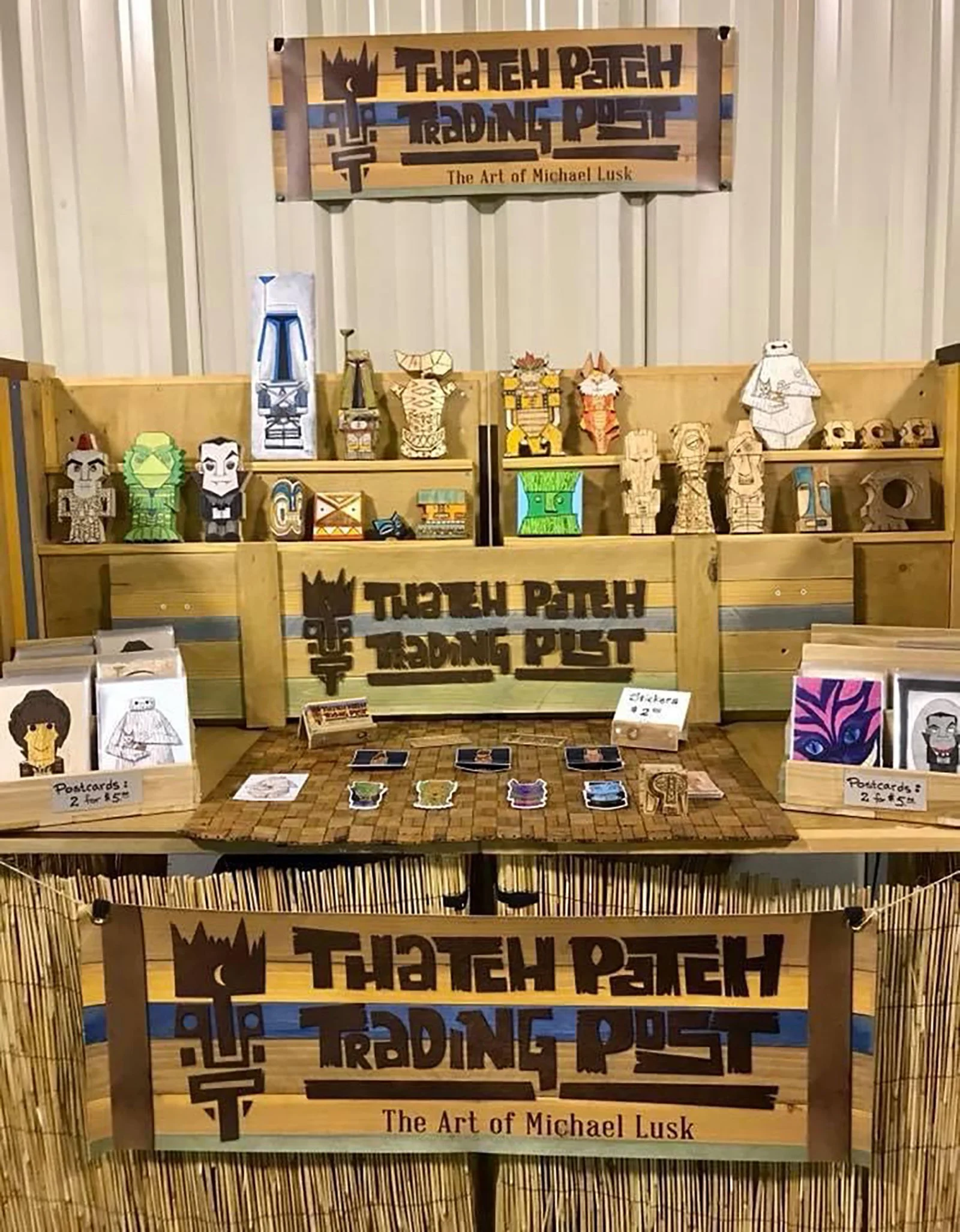
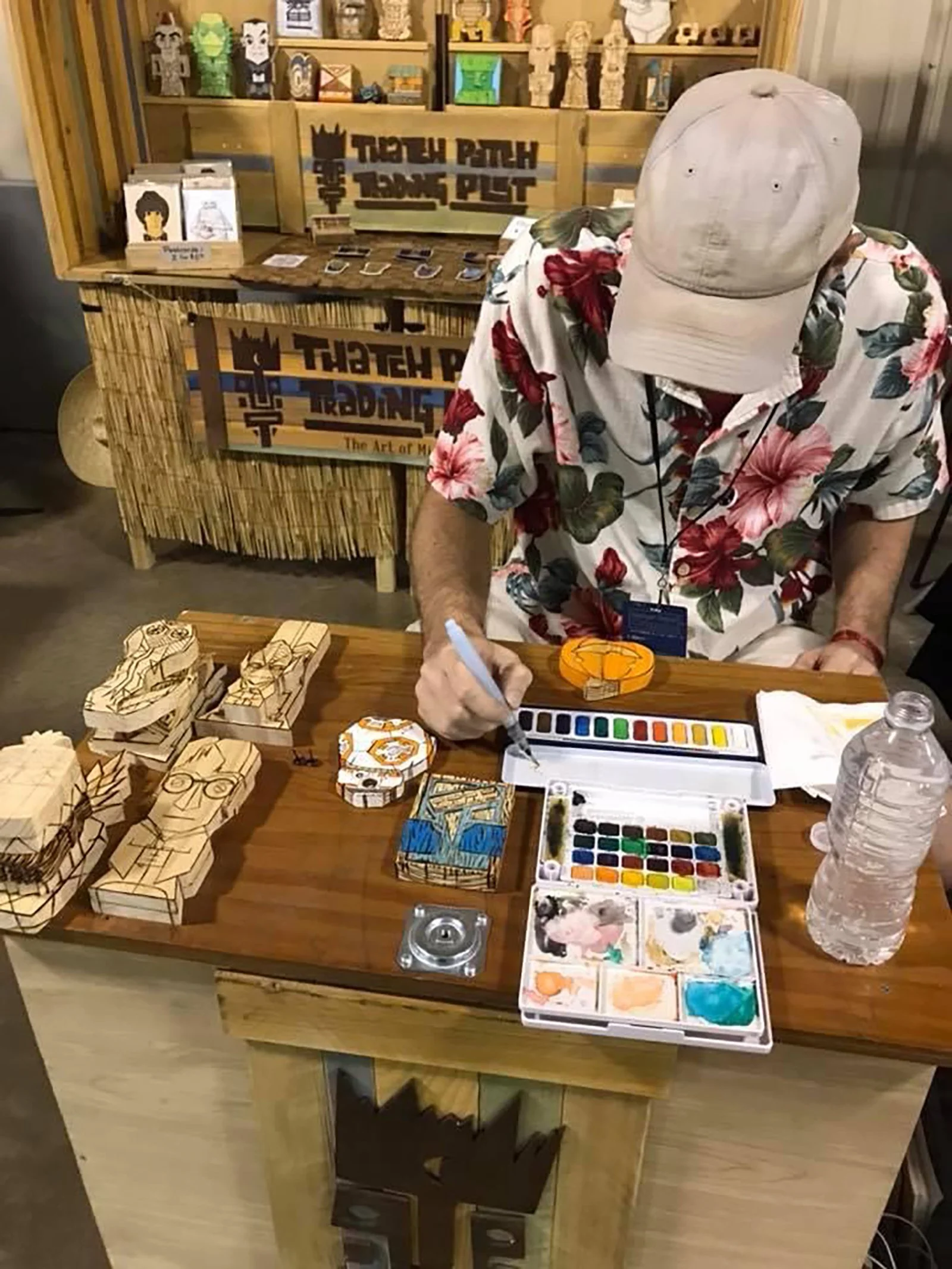
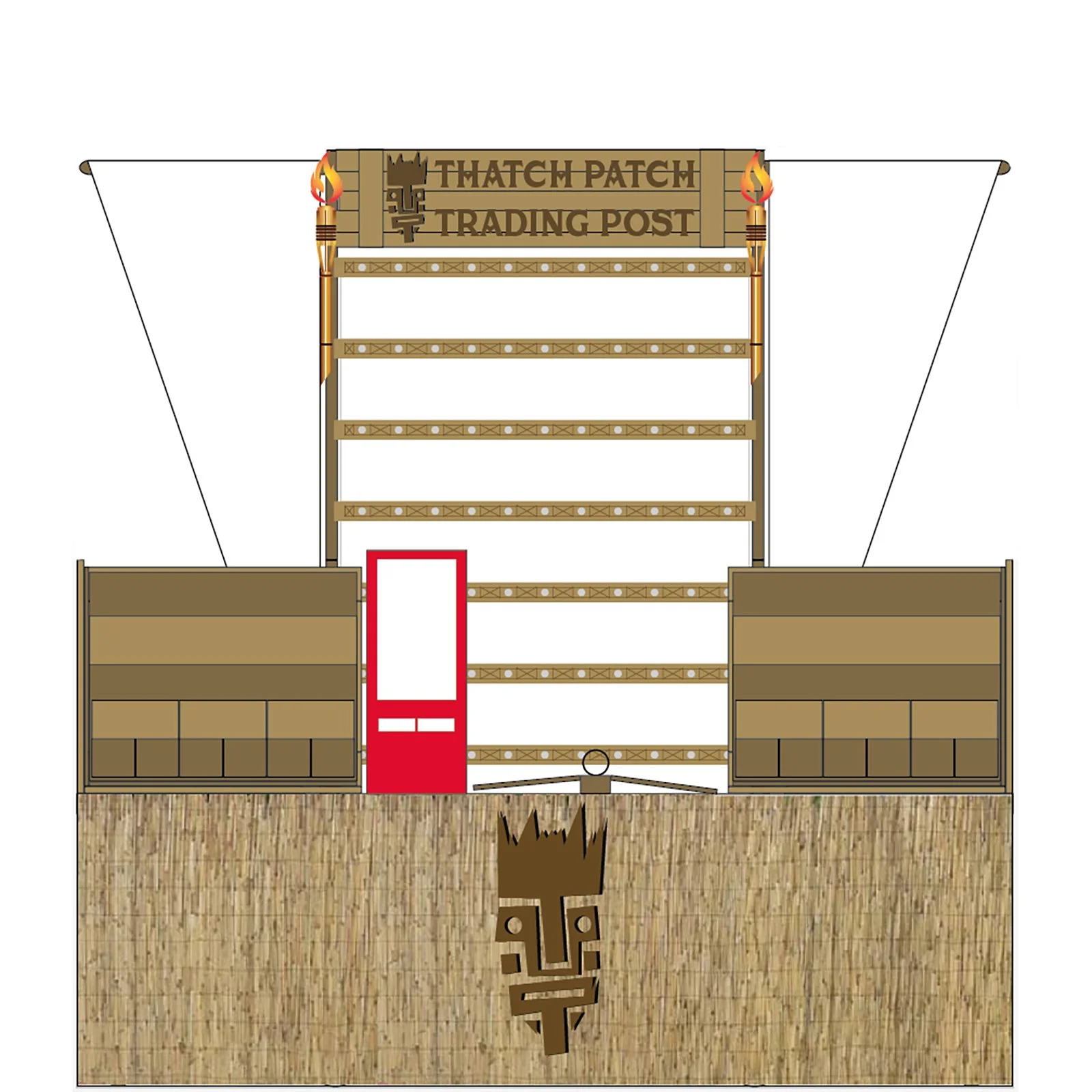
It started with a simple mockup — just enough to map out the layout, the sign, and how everything would come together.
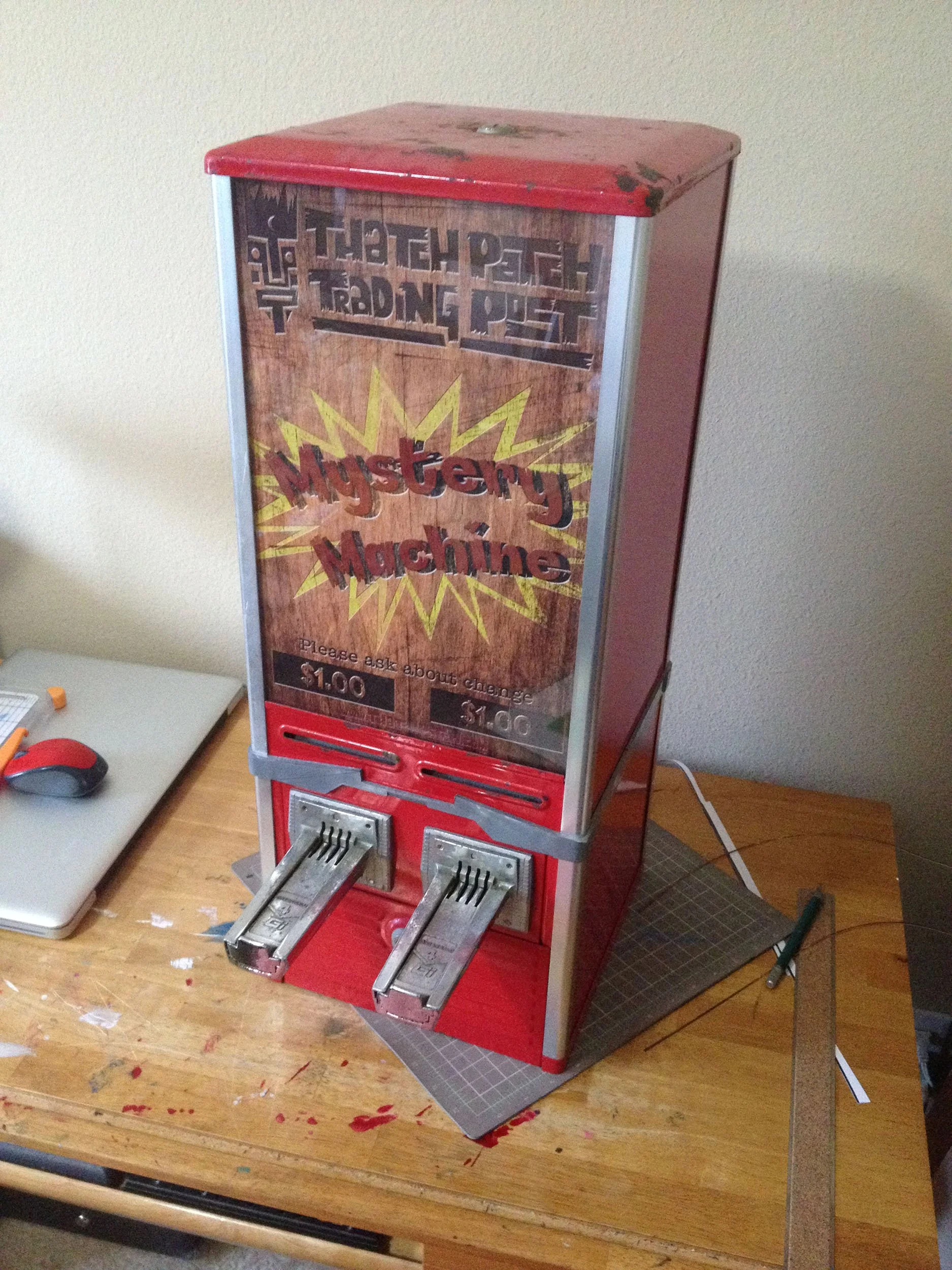
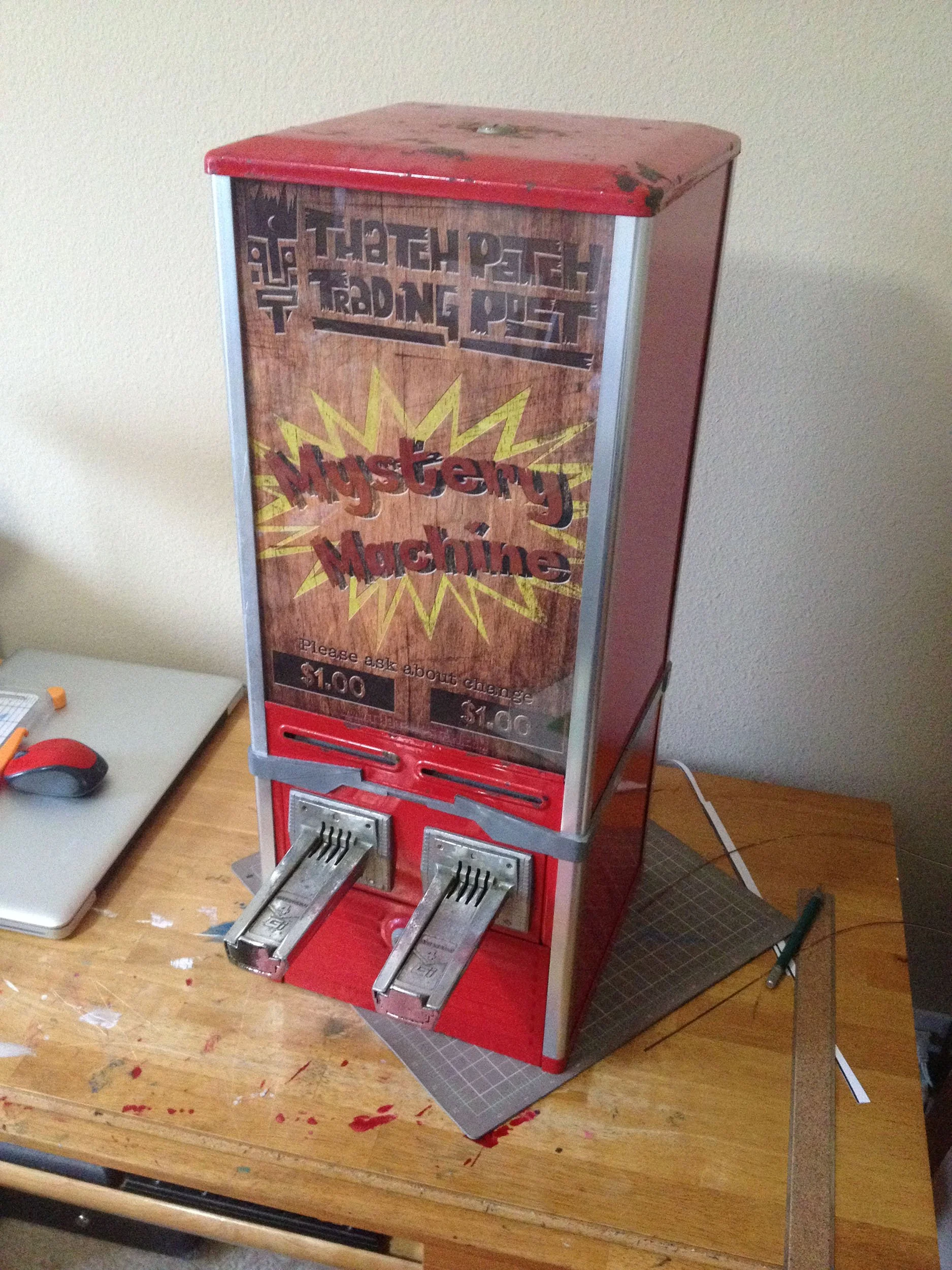
From there, I added the sticker machine to bring in an interactive element. Not just something to look at, but something people could engage with and take with them.
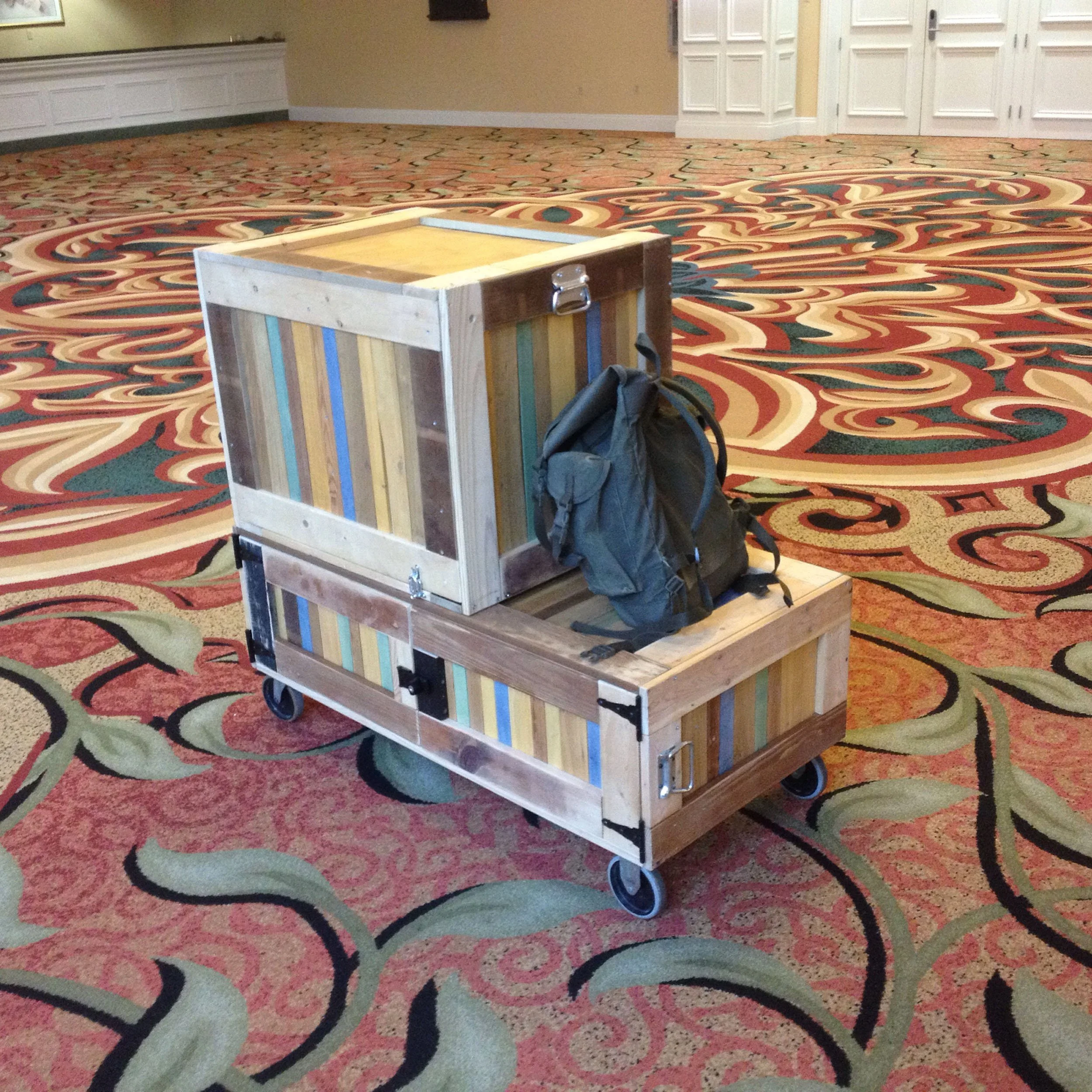
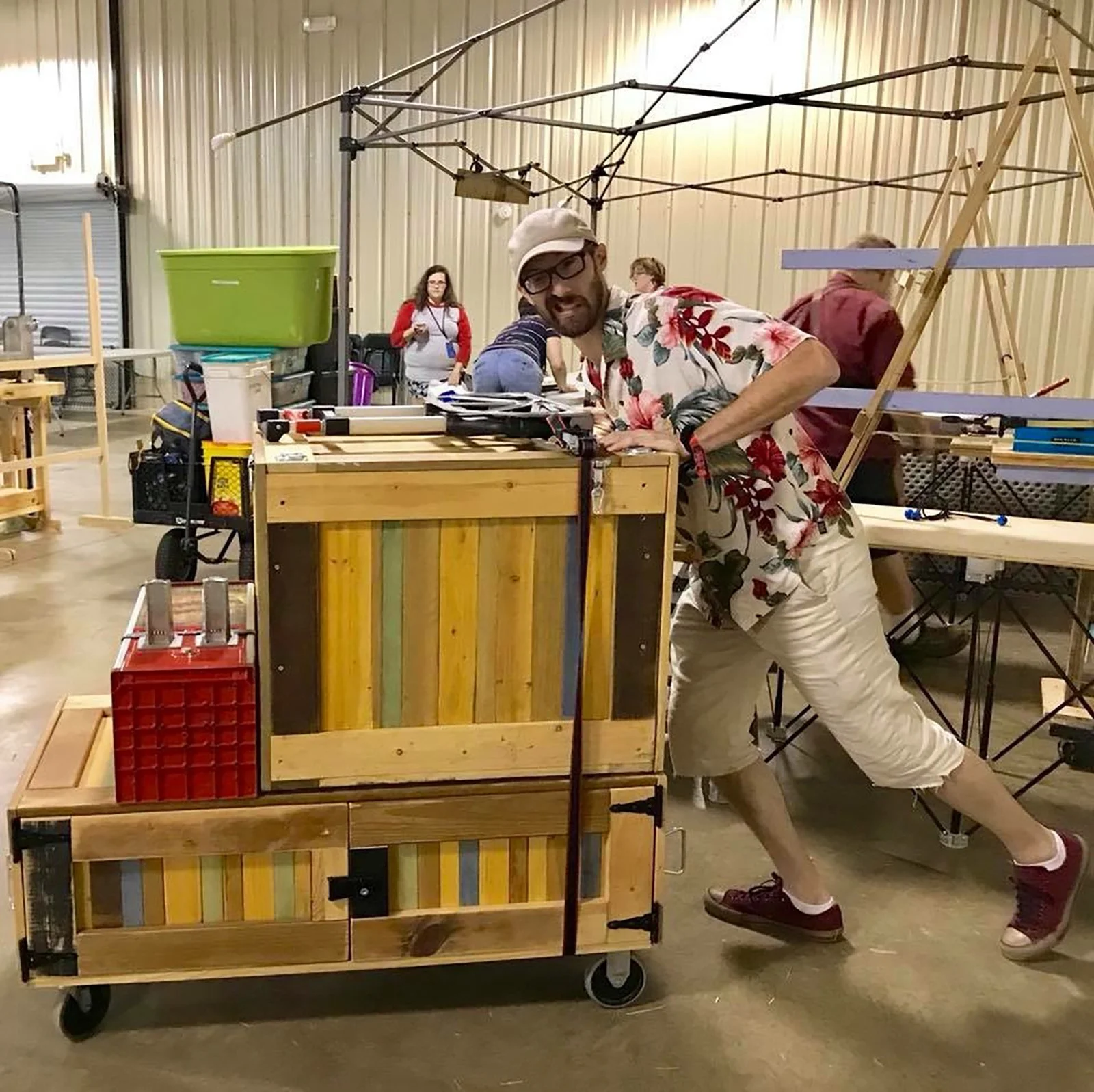
The crates became the foundation — built from reclaimed wood to function as both structure and display. Modular, durable, and consistent with the overall look and feel.
When it all comes together, the booth becomes more than a setup.
It’s a complete experience — built to be seen, explored, and interacted with.